-
The Effect of Childhood Trauma on Brain Structure and Function

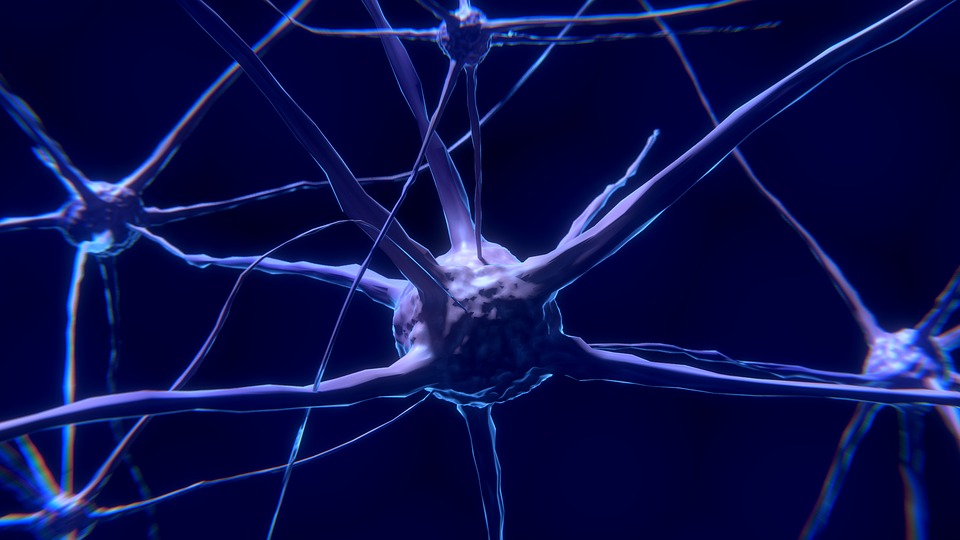
This paper examines how childhood trauma affects brain structure and function, with lasting consequences for emotional regulation, memory, and stress response. It argues that adverse childhood experiences can alter key brain regions such as the amygdala, hippocampus, and prefrontal cortex, increasing vulnerability to mental health challenges later in life. At the same time, the paper…
-
With age, the topology of our brains changes
A review of “Topological turning points across the human lifespan” (Mousley et al., 2025). The human lifespan is defined by developmental changes, and our brains are no exception. To define the stages of neurodevelopment, what they entail, and when they occur, a team at the University of Cambridge led by Dr. Alexa Mousley examined human…
-
Neurofeedback: Can You Train Your Brain?
-
Learning Under Pressure: How Stress Alters Memory

-
How do Neuroscientists See Brain Activity?
-
Michael Schumacher: An “Awakening”

-
5 Things You Should Know About Neurodiversity
The term neurodiversity refers to a growing movement that views differences in people’s neurology as providing them with valuable diversity and skills opposed to viewing their neurological differences as a disease or disorder that requires treatment. In this article, we list 5 things you should know about neurodiversity.
-
Understanding the Architecture of the Brain: An Introduction to DTI
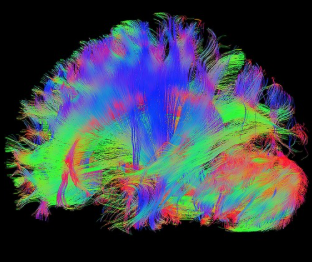
There are many methods for studying the brain, from literally slicing it to look at it under a microscope to injecting radioactive tracers into it to see where a particular neurotransmitter is located. Diffusion tensor imaging (DTI) is a relatively newer approach to studying the brain, but what is this method, exactly?
-
NASA on the brain! Why Space Exploration Needs Neuroscience

-
Where is my mind? A brief review of neuroscientists’ search for biological substrates of memory