-
Cognitive Casualties: How Drugs Can Lead to Long-Term Deficiencies in Cognition

There can be severe long-term effects of alcohol, cannabis, cocaine, and ecstasy on various cognitive abilities.
-
Navigating the World with Little Explorers: How to Support Children’s Learning in Everyday Experiences

Children are curious explorers. They love to ask questions and learn more about their world. And children can learn anywhere – at home, at the beach, in the car, at the grocery store. Even though children can independently explore their world, their learning is enriched when they explore with others. So how can we best…
-
Do girls really experience conduct problems?

What do we know about girls who experience conduct problems? Despite being historically ignored by researchers and the general public, girls have unique risk factors for conduct problems and end up exhibiting different outcomes associated with their conduct problems as compared to boys.
-
Parental Distress and Children’s Well-being: Implication from COVID-19
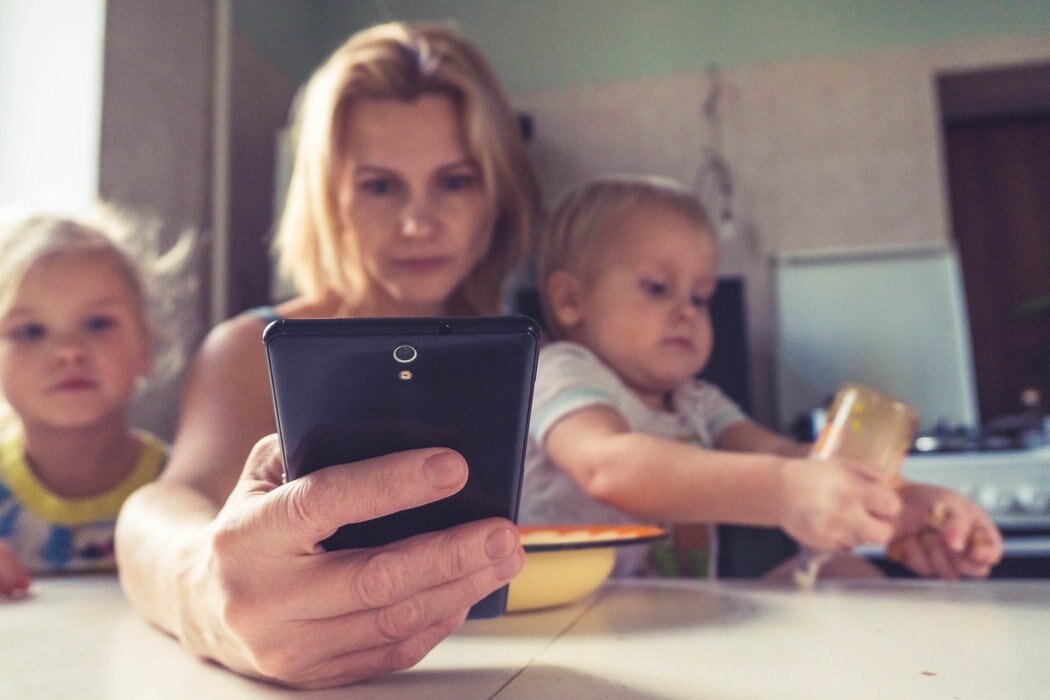
The pandemic underlines the interplay between parental distress and children’s emotional and behavioral well-being & provides us with an opportunity to think about parental resources, perceptions, and coping strategies to enhance parenting effectiveness and parenting behavior.
-
Postdoctoral Research: The Who, What, Where, When, Why, and How

Have you ever wondered what a postdoctoral researcher (a.k.a postdoc) is and what they do? See this article for answers to some basic questions about being a postdoc.
-
A Reader-Friendly Review of Microdosing Research

Microdosing has captured the attention of the public, yet research has yet to catch up with cultural interest. This reader-friendly review highlights the current literature on this topic and provides practical considerations for individuals hoping to partake in this newest drug trend.
-
Pritzker Hall: A Cognitive Illusion in UCLA’s Backyard
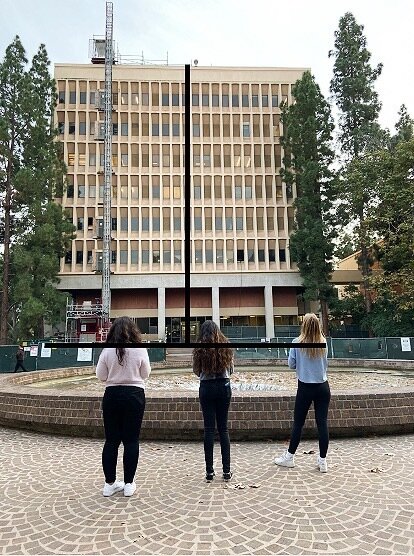
As we begin returning to campus, be sure to check out Pritzker Hall, a cognitive illusion in UCLA’s backyard!
-
Stereotype Threat and Women’s Pursuit of STEM

Stereotypes are pervasive in society. They can even affect what careers people choose. Here we discuss how stereotypes affect us from childhood into adulthood, and what we can do to counter their negative effects.
-
Spanking: How We Have Normalized Hitting Our Kids and Why We Need to Stop

Many people are spanked growing up to the point where it is a normalized experience. This blog post will explore the negative outcomes associated with spanking, and why it’s such a common parenting tactic used in the United States.
-
Fake News! A Cognitive Perspective on the Spread of Misinformation Among Older Adults
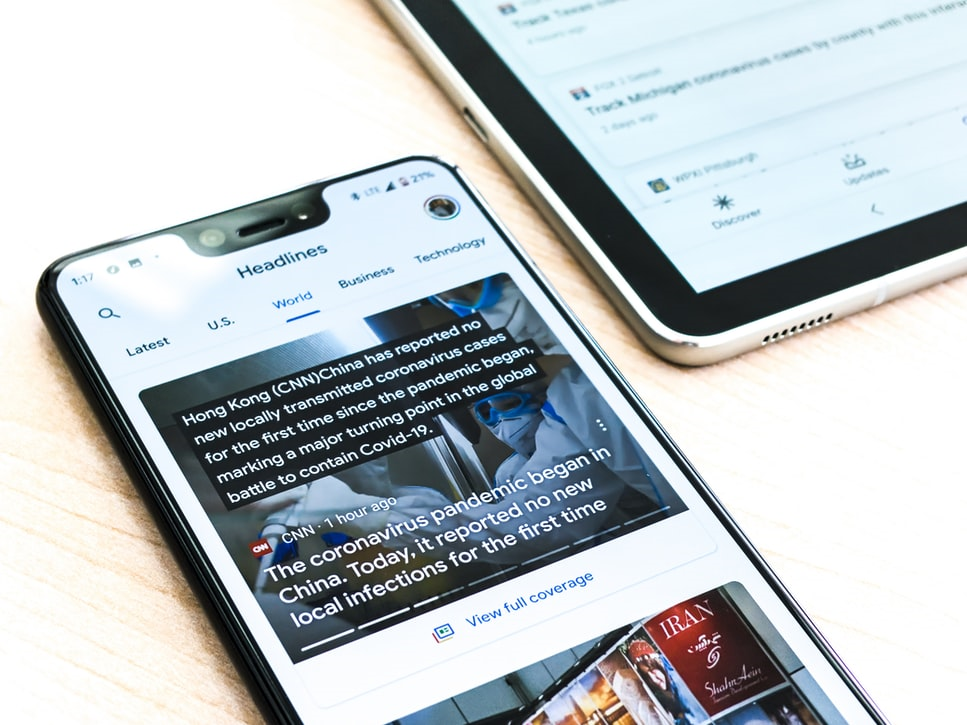
Social media has increased the spread of news–some truthful, and others less so–in recent years. Is this information consumed differently across different age groups? And how does its persuasiveness change across the lifespan?