-
How Yoga Might Protect Both Brain and Body as We Age

Yoga is often viewed in modern Western society as primarily a form of physical exercise, but its combination of movement, breath regulation, focused attention, meditation, and intentional awareness makes it a unique mind-body practice. Given growing evidence that physical activity may help protect against age-related cognitive decline, yoga raises an intriguing question: could engaging both…
-
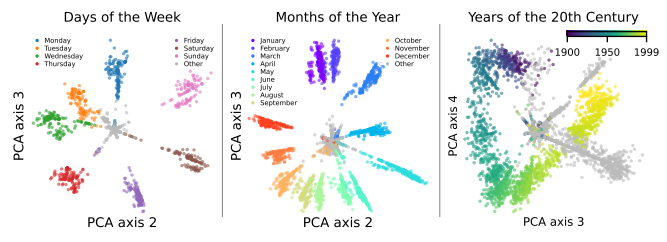
Geometric Foundations of AI Interpretability
-
How the Brain Regulates Physical Limits

-
The Anatomy of Longing for the Past

Maybe it’s the opening chord of a song you haven’t listened to since graduation or the smell of a meal your mom used to cook. These aren’t just vague recollections, they’re flashbulb moments that trigger an immediate psychological shift. Why do we recollect these memories from our youth with such vividness? And how do these…
-
Forgetting More, Remembering Better: Memory as You Age

As we age, memory becomes more selective and value-directed, focusing on information that matters most. The aging brain increasingly prioritizes high-value, goal-relevant information, directing attention and cognitive resources toward what is most important. These changes highlight the adaptive nature of human memory and suggest that aging is not something to fear. Memory remains flexible, continually…
-
A Life Worth Living: Animal Therapy as a Biological Antidote to the Plagues of Nursing Home Living

-
The Architecture of Survival: How Childhood Trauma Shapes Adult Social Memory

When a child is raised in a high-stress environment, a biological process called “adaptive calibration” may occur, which causes the child’s social memory to prioritize survival-related information. This specialization acts as a trade off whereby the brain sacrifices the ability to perceive subtle social cues, like boredom or humor, in exchange for the rapid detection…
-
When Healthy Eating Becomes Harmful: Understanding Orthorexia in a Health-Obsessed World

What happens when “eating healthy” goes too far? This blog post discusses Orthorexia Nervosa as an emerging pattern where the pursuit of clean eating can become obsessive and harmful. Research suggests it’s tied to factors like perfectionism, body image concerns, and even social media habits—especially platforms like Instagram. As the line between wellness and obsession…
-
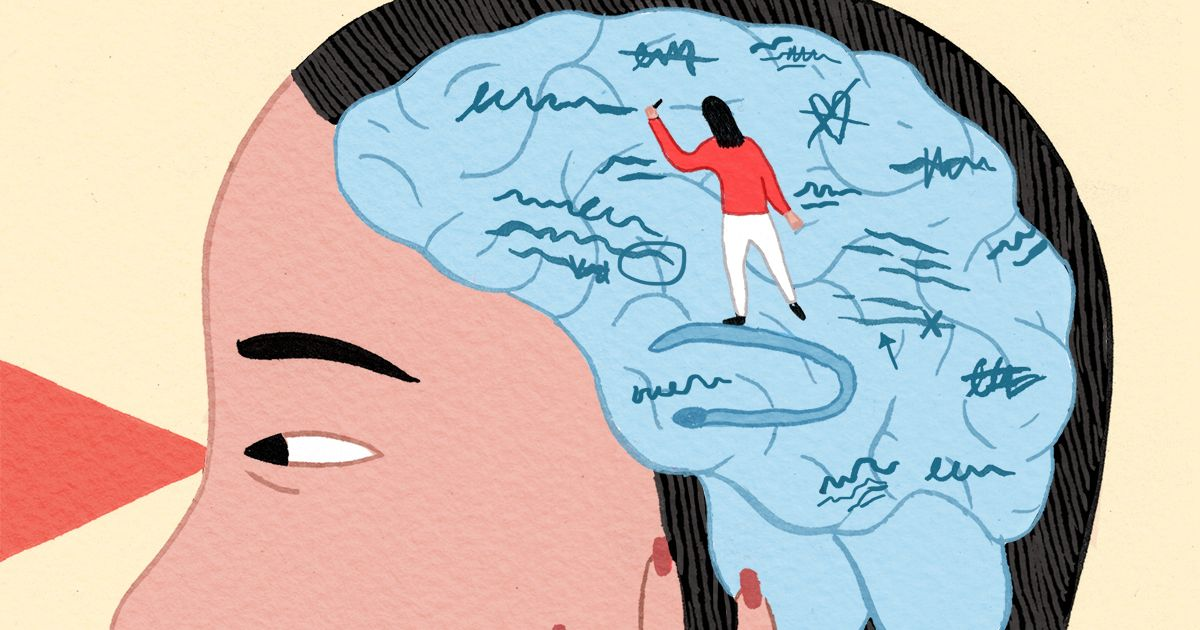
Why Your Brain Refuses to Forget That One Awkward Moment
-
Artificial Affection: Exploring Human-AI Relationships