
Confession: I barely passed Multivariable Calculus in college. This came as an unpleasant surprise to me, as I had done well in high school math classes. How could this have happened?

When you think of teens, do you think of risky behavior? Most of us would say yes, but now more than ever before we would be wrong.

A brief insight into the process of publishing your research in psychological journals.
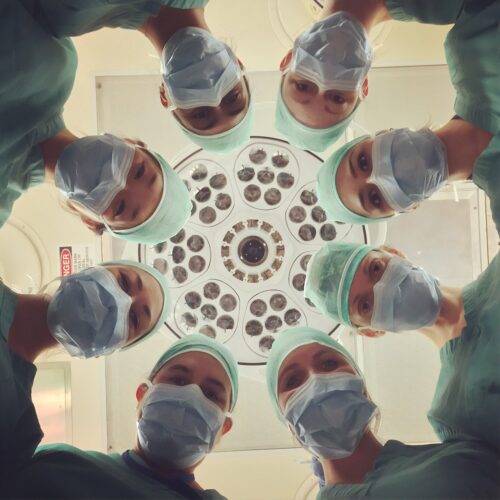
If you were to Google the terms “obesity” and “COVID-19,” you would likely be inundated with articles about how larger-bodied people who contract COVID-19 are more likely to have severe symptoms, experience longer lasting problems, and die from the virus. Spreading this potentially overstated claim can perpetuate the harmful weight stigma that already exists in the healthcare system.

Priming studies examine how certain stimuli can unconsciously influence our thoughts and behavior. While priming research has come under scrutiny over the past few years, social priming studies can aid in the understanding of biases and prejudice.

Have you noticed that children will sometimes choose common household objects over store-bought toys? Here are some tips for choosing children’s toys and creating fun learning experiences with common objects around the house!

Large lectures can lack student engagement and be distracting. However, introducing lecture pauses with peer discussion can improve learning by facilitating meaningful interaction with course content.

How to find a penny in a dark room? Make the penny light up by itself.

You are likely your own harshest critic. Cultivating self-compassion can soften your inner critic, boost your mood, and improve your outlook.

This article is authored by Samantha Eisert and Danny Rahal and is part of the 2020 pre-graduate spotlight series. We live within a complex social hierarchy where access to resources is unequal, and the richest people with the most resources and r …
This article is authored by Kriseira Lamas-Krauletz and Danny Rahal and is part of the 2020 pre-graduate spotlight series. Background Racial/ethnic minorities are more vulnerable to mental and physical health problems such as mood disorders, anxie …

As the world adjusts to multiple difficult stressors, children will likely need increased support to process these changes and manage their emotions. Here’s how you can be there for children’s emotional needs!

Thanks to recent technology, offloading (the process of externally recording thoughts and memories to reduce cognitive demand) is easier than ever. With computers and smartphones capable of recording and retrieving essentially infinite quantities of information, offloading has become even more efficient, leading to important changes in the way humans think and remember.
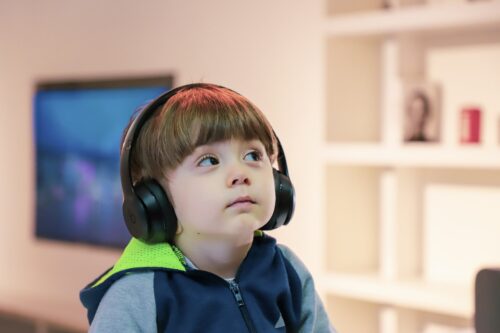
Podcasts are popular with adults, but did you know there are podcasts created just for kids? This post explores some kids podcasts, children’s listening habits, and what we know and don’t know about how children learn from podcasts.

Excessive worry can be distressing and impairing. Learn the function of your worry and ways to manage it effectively.

Psychology has taught us a lot about human thoughts and behavior. But which humans do we know the most about?

It can be hard to disengage from the negativity around us and even harder to acknowledge the positive aspects of our lives. Here are some tips for understanding your “negative filter” and overcoming it.

This article is authored by Eva Li, Samantha Eisert, and Danny Rahal and is part of the 2020 pre-graduate spotlight week. According to the National Institute of Mental Health, depression is one of the most common mental disorders in the US affecti …

Is an ordinary person capable of committing heinous acts? After the Holocaust (1941-45), many questioned how Nazi soldiers were capable of such senseless murder. Did it take a certain type of person, or did there exist situational factors that enabled …

Even into adulthood, our parent’s jobs are far from over! Strong parental support through college influences our academics, our outlook on life, and our emotion and behavior regulation as young adults. The quality of our relationships with our parents can provide protection from the tumultuous emotional environment that the transition to college can sometimes create.

Are you deciding on your college dorm situation for the upcoming school year? Here is some information to keep in mind about Living-Learning Communities and their benefits as well as their disadvantages.