-
MythBusters: Learning Styles

Up there with the Myers-Briggs Type Indicator is the ever-popular Learning Styles assessment. Such assessments are meant to measure which “way” we learn information best (e.g. visual, audio, etc.). Results indicate what type of learner you are, but what does empirical research have to say about learning styles?
-
The Overview Effect

“It’s hard to explain how amazing and magical this experience is. First of all, there’s the astounding beauty and diversity of the planet itself, scrolling across your view at what appears to be a smooth, stately pace… I’m happy to report that no amount of prior study or training can fully prepare anybody for the…
-
What is a Sampling Distribution?
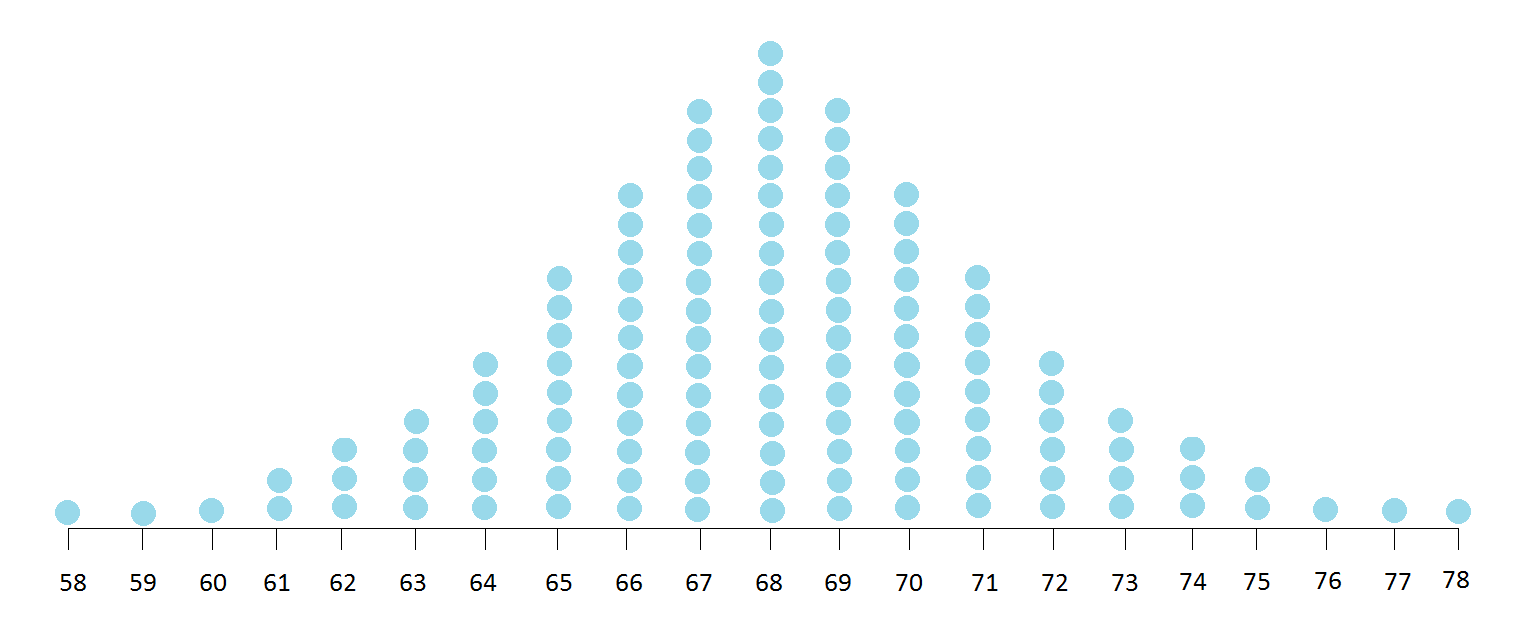
Sampling distributions are one of the most concepts in statistics. This article introduces the basic ideas of a sampling distribution of the sample mean, as well as a few common ways we use the sampling distribution in statistics.
-
The Role of Mind Wandering in Education

It was a crisp spring morning in my high school English class as I took my seat near the window. At some point during class, I had noticed a flower blooming outside. My mind gently tracked away from the Grapes of Wrath discussion to the Biology lecture I had heard just hours before. Looking at…
-
Adele and the Margaret Thatcher Effect
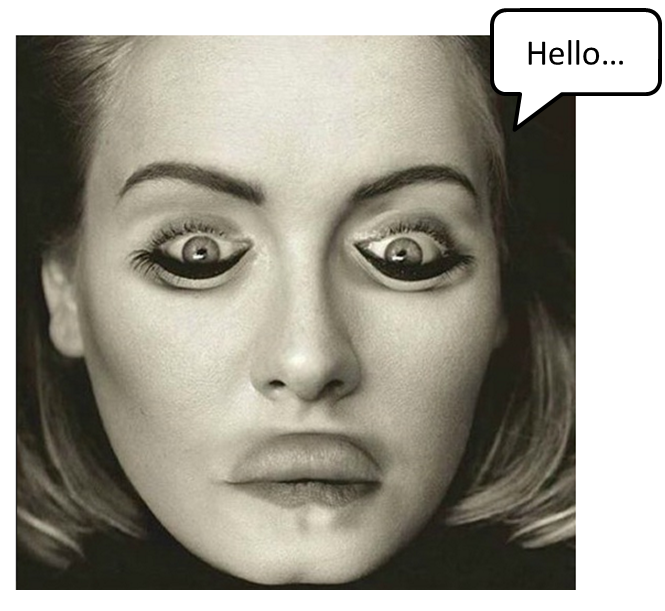
Adele’s face is the latest victim of a viral illustration of perceptual illusions. During the past week, an image of Adele’s upside down-face has gone viral on the internet, with instructions that read “turn your phone upside down” or “look at the image upside down.” If you haven’t done the experiment yourself, it looks something…
-
The Psychology of Computer Rage

If you’ve ever used a computer to accomplish a task within the last 20 years, you’ve probably had a melt-down moment— viruses, blue screens, ads that won’t close, and the oh-so feared act of downloading a word document, only to save and close it into nothingness (a plague upon the early 2000’s). I once lost…
-
Presenting Psychology: 10 Ways to Polish Up Your Research Presentation

Gone are the days in which promising scholars could conduct brilliant scientific work, write compelling and cogent articles and books, and be forgiven by all for having no clarity or articulation when attempting to talk about it in person! …If those days existed at all. Scientific communication takes many forms, but virtually all graduate students, faculty,…