-
Mythbusters: Studying in the same place, at the same time, every day is good for learning

Educators often advise students to find a quiet place to study and then only study in that place, but does following that advice actually benefit learning?
-
The Use of Eye-Trackers in Research

Learn what eye trackers are, what metrics they record, and how they are used in industry and academia
-
5 Things You Should Know About Neurodiversity
The term neurodiversity refers to a growing movement that views differences in people’s neurology as providing them with valuable diversity and skills opposed to viewing their neurological differences as a disease or disorder that requires treatment. In this article, we list 5 things you should know about neurodiversity.
-
Starting Strong: Advice for Your First Year in a Psychology Ph.D. Program

Are you wondering how to get off to a good start in the beginning of your psychology Ph.D. program? Here are seven pieces of advice for your first year!
-
Harm Reduction: An Alternative Model to Abstinence

In this article, I will be writing about harm reduction, an approach to minimize the harmful risks involved in drug use, and the efficacy of different practices used with this approach, such as Needle Exchange Programs (NEP’s), Methadone Maintenance Treatment (MMT), and Safer Injection Sites.
-
Use of Technology in Dementia Care: Benefits and Ethical Considerations

A crisis has emerged in dementia care due to caregiver burden, high costs of care, and a growing aging population. Intelligent Assistive Technologies could be the answer to some of these problems, but they carry a unique set of ethical issues. How can we address these issues and use technology to improve dementia care?
-
Ouch: Understanding the Pain of Social Rejection

Rejection hurts. While we’d all like to avoid this feeling, broken bonds can be as bad for us as broken bones, if not worse. So while the pain of rejection is undesirable, it may actually be helping us effectively modify our behaviors to navigate the world around us.
-
NASA on the brain! Why Space Exploration Needs Neuroscience
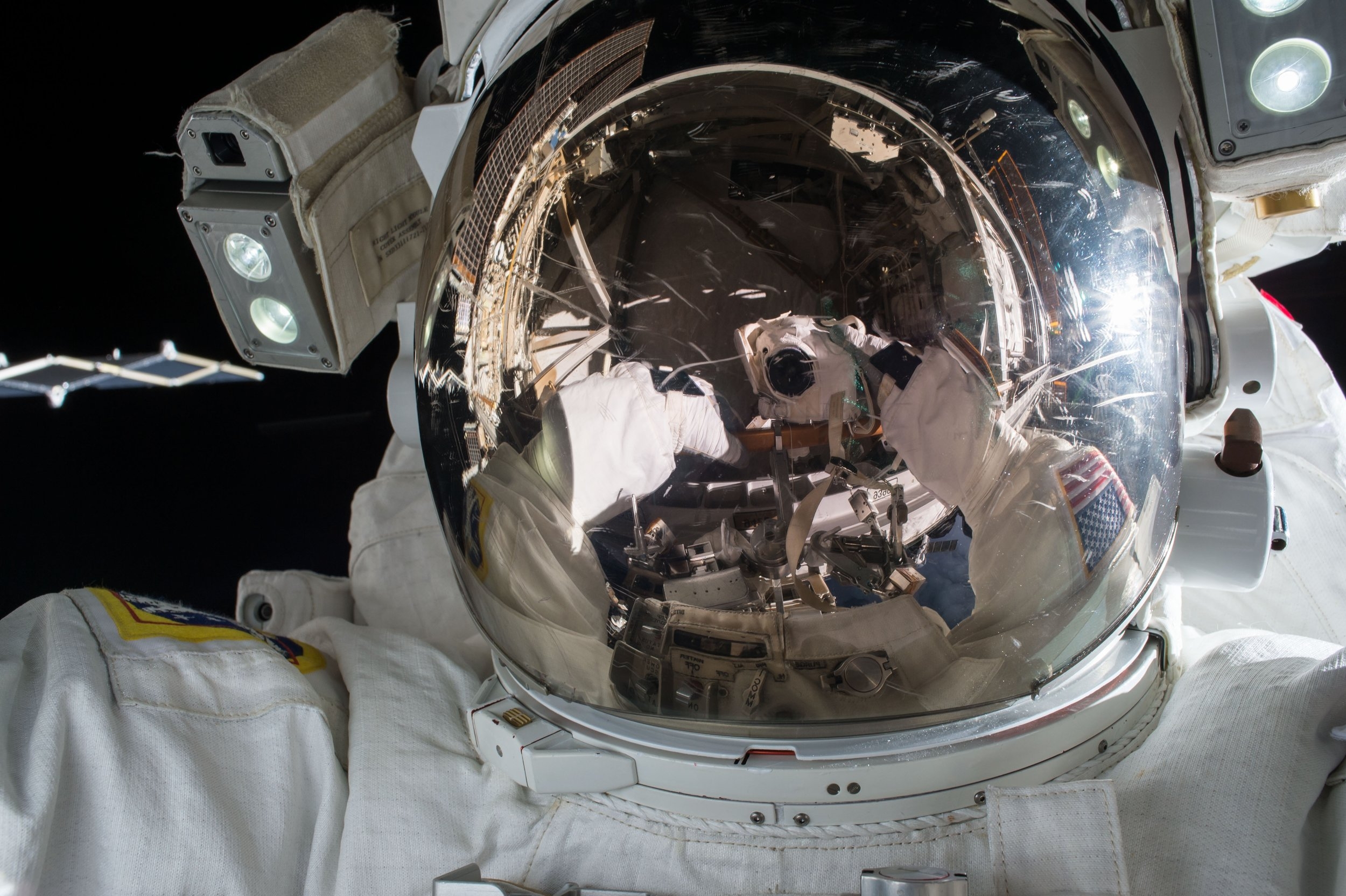
Radiation and microgravity can seriously mess with an astronaut’s brain and behavior— see why NASA is focusing on psychology & neuroscience research to advance the journey to Mars.
-
Where is my mind? A brief review of neuroscientists’ search for biological substrates of memory
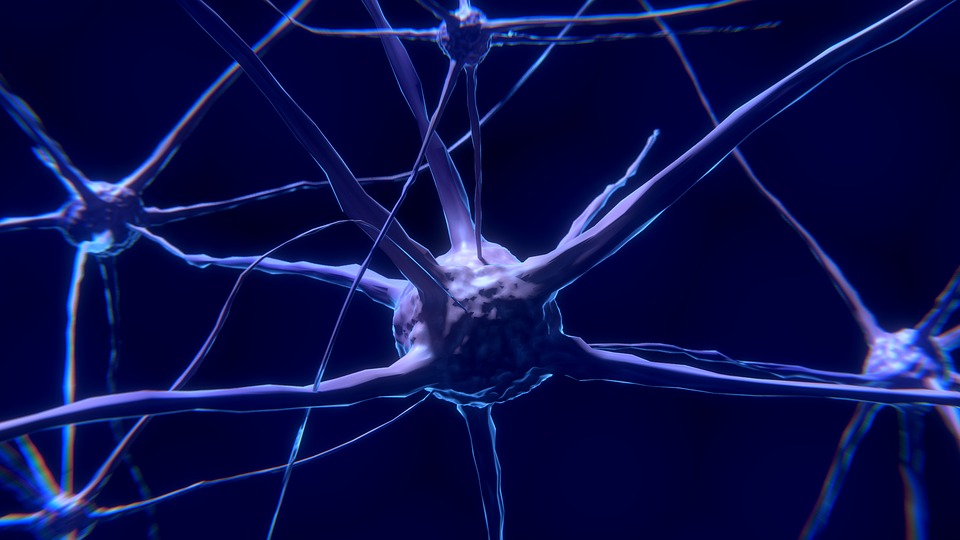
Neuroscientists have sought to understand the biological nature of memory for decades. In this brief review, I talk about the history of memory research and where the field is now.
-
Correlation, Causation, and Coffee

In recent news, a large study found a link between coffee consumption and risk for mortality. While the news media has taken off with claims that coffee is the key to longevity, they commit a cardinal sin in science—confusing correlation with causation.