-
How the Brain Regulates Physical Limits

-
The Anatomy of Longing for the Past

Maybe it’s the opening chord of a song you haven’t listened to since graduation or the smell of a meal your mom used to cook. These aren’t just vague recollections, they’re flashbulb moments that trigger an immediate psychological shift. Why do we recollect these memories from our youth with such vividness? And how do these…
-
A Life Worth Living: Animal Therapy as a Biological Antidote to the Plagues of Nursing Home Living

-
The Architecture of Survival: How Childhood Trauma Shapes Adult Social Memory

When a child is raised in a high-stress environment, a biological process called “adaptive calibration” may occur, which causes the child’s social memory to prioritize survival-related information. This specialization acts as a trade off whereby the brain sacrifices the ability to perceive subtle social cues, like boredom or humor, in exchange for the rapid detection…
-
When Healthy Eating Becomes Harmful: Understanding Orthorexia in a Health-Obsessed World

What happens when “eating healthy” goes too far? This blog post discusses Orthorexia Nervosa as an emerging pattern where the pursuit of clean eating can become obsessive and harmful. Research suggests it’s tied to factors like perfectionism, body image concerns, and even social media habits—especially platforms like Instagram. As the line between wellness and obsession…
-
The Effect of Childhood Trauma on Brain Structure and Function

This paper examines how childhood trauma affects brain structure and function, with lasting consequences for emotional regulation, memory, and stress response. It argues that adverse childhood experiences can alter key brain regions such as the amygdala, hippocampus, and prefrontal cortex, increasing vulnerability to mental health challenges later in life. At the same time, the paper…
-
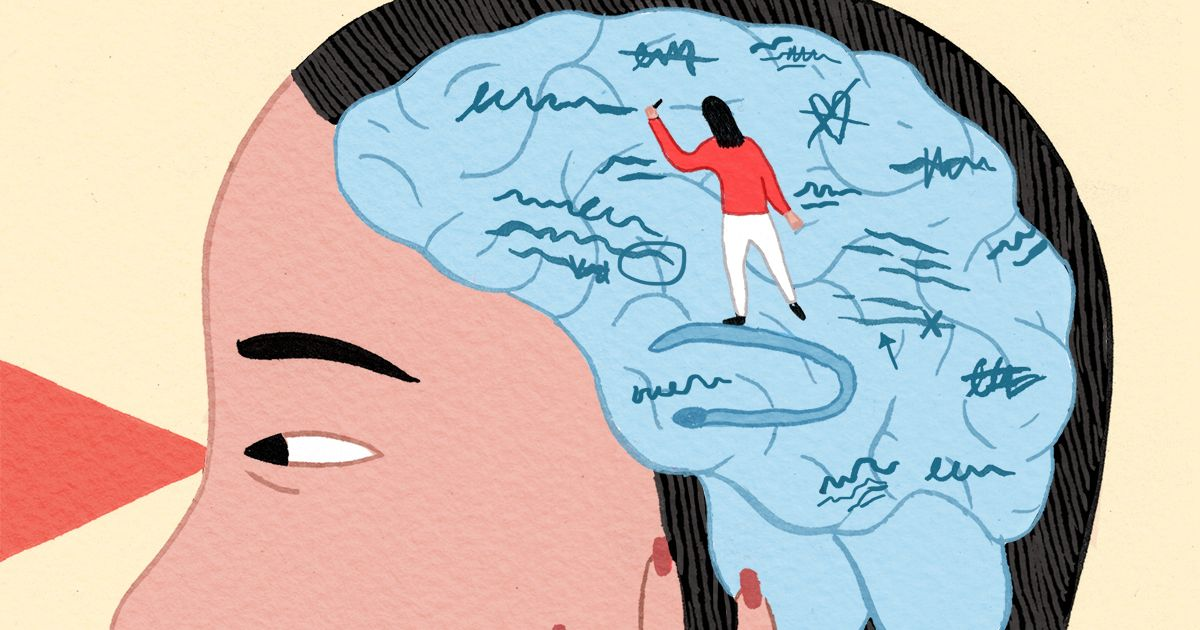
Why Your Brain Refuses to Forget That One Awkward Moment
-
Artificial Affection: Exploring Human-AI Relationships

-
The Places That Shape Us: Small Towns vs. Big Cities

Some of us spent our childhood building forts in the woods with our siblings and knowing the full history of everyone in our town. Others spent their early days with endless activities to choose from and the constant sound of police cars and ambulances whizzing by. These very different environments shape the world we know,…
-
Poverty’s Impact on the Developing Brain
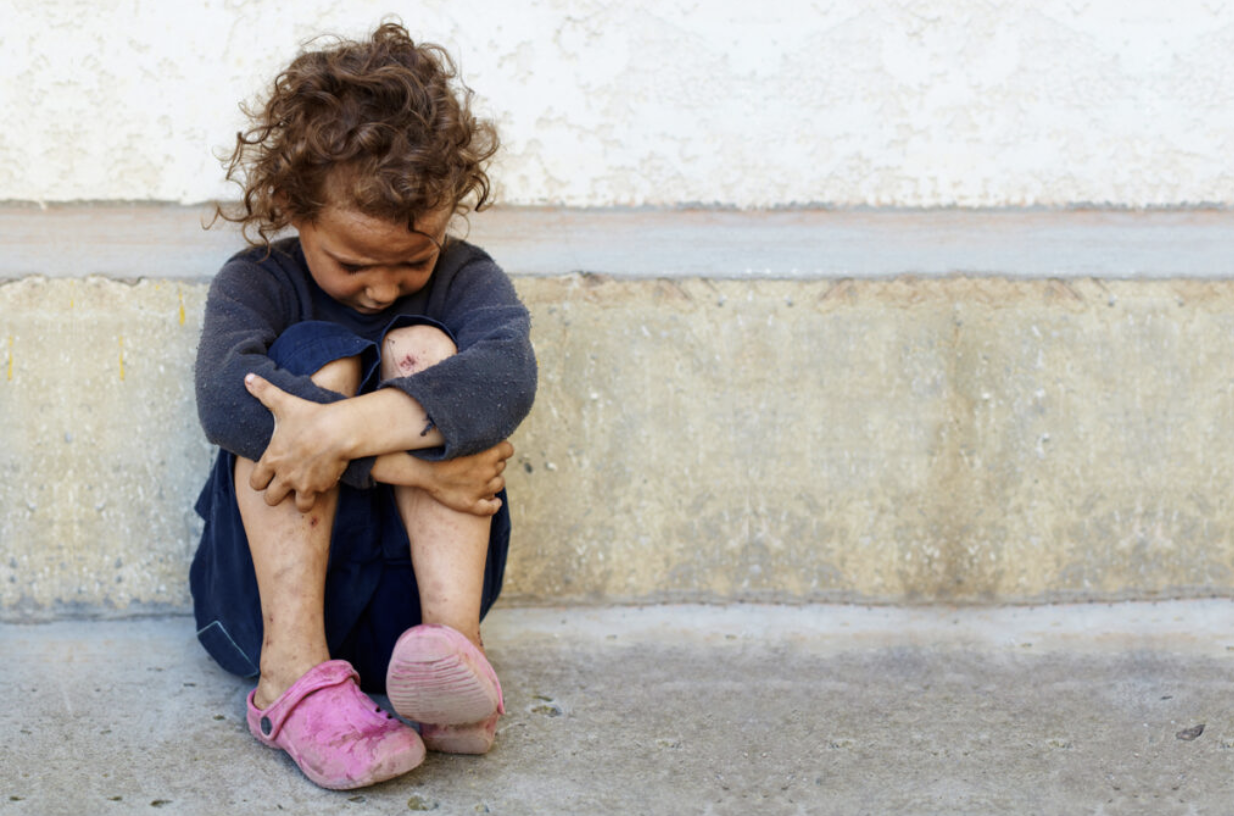
In this paper, we discuss how socioeconomic status (SES) influences child development through poverty’s interaction with stress, caregiving, and neighborhood context. We highlight evidence that toxic stress, reduced caregiving quality, and neighborhood disadvantage impair brain development, while policy interventions such as financial assistance can buffer these effects and promote healthier developmental trajectories.