-
Lying Can Reconstruct Memory: How We Come to Believe Our Own Lies

The article discusses how lying can lead to the subconscious reconstruction of memories, causing individuals to believe their own falsehoods and blur the line between truth and deception. It explores factors like fabrication inflation, the anchoring effect, and motivated forgetting, highlighting the malleability of memory and the potential consequences of false memories resulting from deceptive…
-
Facial Recognition in Humans Versus Artificial Intelligence: When Are We Wrong?

Every day, we encounter numerous faces of diverse genders, ages, and races, and our ability to identify them accurately is crucial. Recognizing the limitations of both human and Artificial Intelligence facial recognition systems, this article aims to explore the causes and implications of facial recognition failures.
-
ADHD: Prescription Medication Shortage

4.4% of Adults in the United States are clinically diagnosed with ADHD, and 32.7% of ADHD adults rely on stimulants for treatment. However, in 2022 the FDA announced that there was a drug shortage, which also impact Adderall production. Adderall is the most common medication prescribed to ADHD patients and a lack of this medicine…
-
The Mind as an Origami Model: A Tale of Ambiguity and Emergence

-
Take It Easy: Reap the Benefits of Resting on Purpose

-
Looking Down the Memory Barrel: Does the Weapon Focus Effect Impact our Legal System?

-
What Neural Networks Put Second: Categorization Models as a Window into the Nature of Memory

-
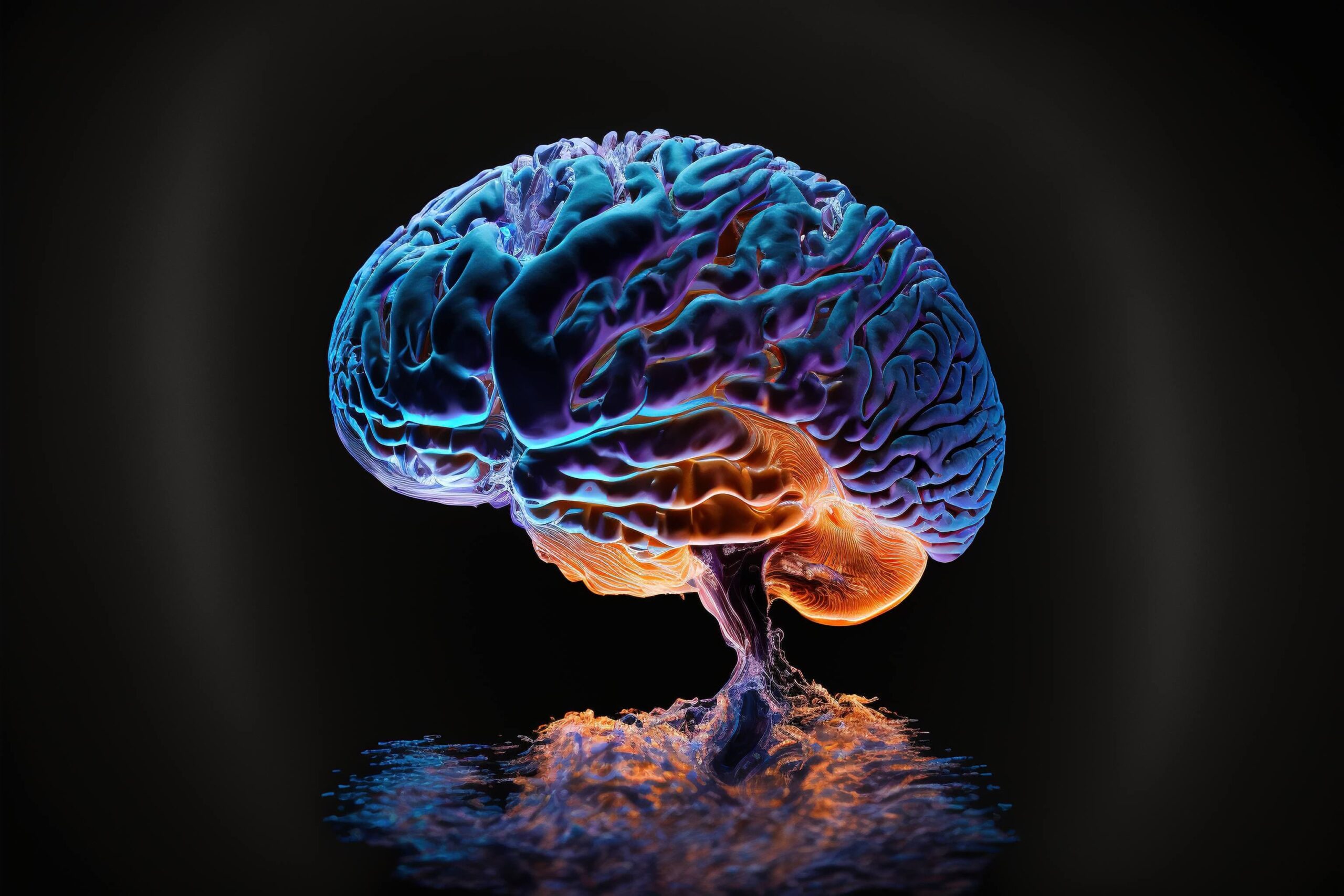
Neurofeedback: Can You Train Your Brain?
-
The Female Autism Phenotype Phenomenon

-
Yoga Nidra: The Crucial Component of a Cognitive Boosting Routine

Non-sleep deep rest (NSDR) and Yoga Nidra are two trendy practices that are typically grouped together because they are both utilized to reduce stress, achieve deep relaxation, and induce sleep. In this blog post, I will outline the empirically demonstrated benefits and future potentials of Yoga Nidra.