-
Yoga Nidra: The Crucial Component of a Cognitive Boosting Routine

Non-sleep deep rest (NSDR) and Yoga Nidra are two trendy practices that are typically grouped together because they are both utilized to reduce stress, achieve deep relaxation, and induce sleep. In this blog post, I will outline the empirically demonstrated benefits and future potentials of Yoga Nidra.
-
What Makes Information More Memorable: The Influence of Emotionality on Memory and Metacognition

Have you ever questioned why some information is recalled better than others? Research has shown that people have a tendency to predict a higher memory and better recall emotional information. Read about the potential mechanisms that could explain the influence of emotion on our beliefs and memory.
-
It’s Okay to Fail: How Productive Failure Facilitates STEM Learning and Transfer in Comparison to Direct Instruction

What role does failure play in learning? While students tend to be aversive to failure, it plays a natural and important role in the learning process.
-
How Do You Learn Best: The Role of Information Modality in Learning and Memory

Do you learn better by your eye or ear? Research has shown that memory is better for information we learn visually than aurally. Yet, to ensure optimal learning one must consider the use of multisensory integration, or the simultaneous use of both visual and auditory aids.
-
Thinking About Thinking: How Metacognition Can Help Your Grades
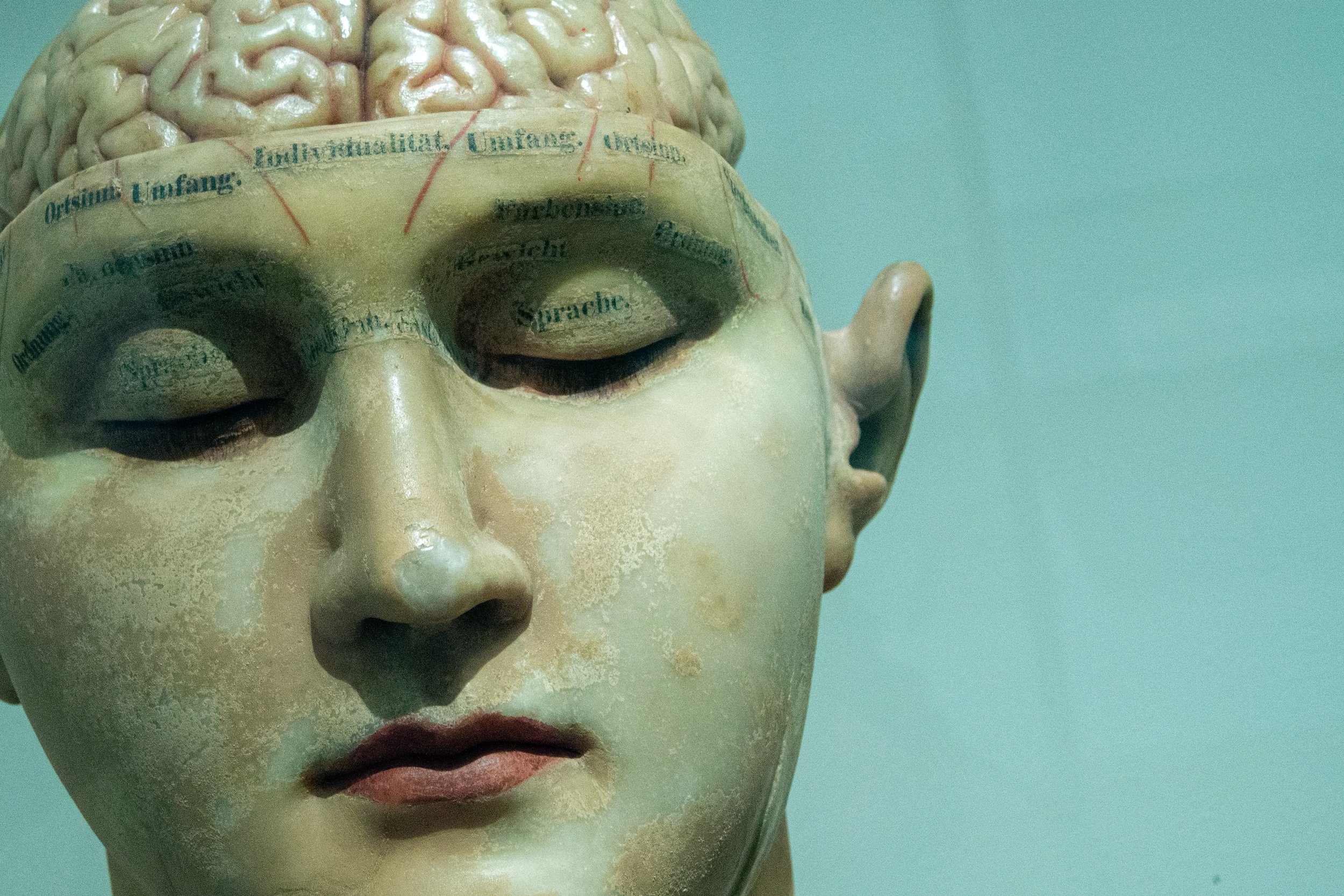
Have you ever tried to predict the grade you would receive on an exam? If so, how did you do it? The answer is through metacognition. We discuss strategies students can employ to improve metacognitive accuracy and subsequent memory performance.
-
The Powerful Role of Forgetting in Learning

Is forgetting a bad thing? On the contrary, scientific research showed that forgetting is actually beneficial for your memory and learning!
-
Curious about Curiosity? The Mnemonic Benefits of Curiosity and Its Educational Implications

Did curiosity really kill the cat? The idiom “curiosity killed the cat” warns against the danger and misfortune that one’s curiosity can bring, but it turns out that curiosity is more beneficial than you might think.
-
How Can We Improve Our Memory of Names?

Have you ever been in a situation in which you recognize someone but cannot quite recall their name? Or do you have a grandparent who struggles to remember names? We describe evidence-based techniques that could be used to enhance your memory for names.
-
Is Music the New Medicine? Exploring the Benefits of Music Therapy

The recent opioid epidemic has caused society to re-evaluate our current pain management practices. This article explores a unique option, music therapy, as a potential new treatment.
-
A Bird’s Eye View: Using Distancing Language with Negative Memories

Why does [insert your name here] feel this way? ‘Distancing’ yourself from the situation when you reflect on negative past events might be an easy way to make you feel better. A recent study demonstrated that distanced self-talk decreased negative feelings about a wide range of memories, and across a variety of people.