
This article is authored by Eva Li, Samantha Eisert, and Danny Rahal and is part of the 2020 pre-graduate spotlight week. The theory of mind in social cognition is the ability to perceive others’ emotional states and understanding. It is the way h …

Unlike earlier psychological work which focused on treating mental illness, positive psychology is a relatively new field that studies the making of a good life building upon the humanistic movement (recall Maslow’s Hierarchy of Needs). It officially b …

Test Anxiety: What causes it and How to cope with it

Your memory may not be as accurate as you think. Decades of research on false memory have revealed several instances when memories can be inaccurate or even fabricated.

Recently, everyone’s interested in the gut-brain connection and how the gut microbiome may influence mental health. But what do we actually know about links between gut bacteria and depression/anxiety and the pathways through which the bugs in our guts exert their influence?

Flashcards are often recommended as a way to help students prepare for exams. However, do students use this study tool in an effective way?

This article is authored by Brandon Williams and Danny Rahal and is part of the 2020 pre-graduate spotlight week. Adolescence is a period marked by significant biological and social changes, including pubertal changes and greater responsibility. I …

This article is authored by Minna Sarwar and Danny Rahal and is part of the 2020 pre-graduate spotlight week. Bullying has always been a negative but pervasive facet of childhood, …

By using math talk in everyday activities, parents can support their young child’s math learning. In this article, we provide examples of math talk and how to incorporate math talk in various day-to-day activities.

Is happiness just about feeling good in the moment? Or is happiness also about feeling what’s “right”?

This article was authored by Selam Mulugeta and Danny Rahal as part of the 2020 pre-graduate spotlight series.It is no secret that many students at UCLA are pre-med. When I first started at UCLA, I was convinced that there was a formula for being the i …

With accessibility to film and television at an all-time high, this form of media reaches a very large audience. It is easy for us to get caught up in the plot of our favorite movie or TV show, without realizing the lasting effects that these films and shows have on the way we think and perceive those around us.

Three septuagenarians are running for president. Does age affect the ability to lead?

What is cognition? This post explores the broad domain of cognition and what it means to divide cognitive functions into “hot” and “cold” categories.
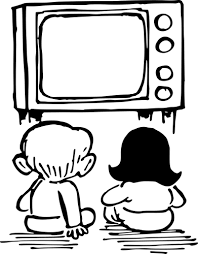
The media industry holds great power over the socialization and self-concept of young people. Media can influence viewers in positive ways, but often become problematic when considering the underrepresentation or negative portrayal of certain identities such as gender, race, disability, and socioeconomic status.

Wait, before you mediate! Make sure you don’t fall into this common trap of mediation analysis.

Rejection. Imposter syndrome. Burnout. I’m sure we have heard of these feelings and experienced them at some point in our academic journey, but have we been willing to openly talk about these feelings and experiences with one another? We explore some common experiences graduate students face in graduate school and the steps we can take to address these issues.

Some measures of curiosity decline as we age, but maintained curiosity in older age is associated with better memory and well-being. This article discusses the benefits of staying curious as we get older.

It is often said that “Two heads are better than one,” but do memory researchers agree? This article discusses the surprising effect known as collaborative inhibition.
What are the red flags you should look out for when interviewing for graduate school? In this article, we cover common red flags to look out for, and offer some general advice and questions to ask during your graduate school visit!

The discussed findings suggest that undergraduate participant pools do not introduce sources of unaccounted variance and researchers should not be particularly concerned with differences in cognitive abilities, motivation levels, personality characteristics, the time of year, or attendance rates as a potential confound in experimental psychology.