-
The cost of unpaid work: Do we narrow the research pipeline by making low-income students work for free?

Graduate education is still considered a class privilege. By making low-income students work unpaid hours in the lab, are we contributing to inequalities in educational attainment?
-
Scaling the implementation cliff: strategies for increasing the effectiveness of evidence-based interventions in community settings

Behavioral health interventions yield much stronger outcomes in controlled research settings, as compared to the community settings in which they are most often applied. Adjustments in the training and development of community providers may help to address this gap.
-
How the Brain Makes Sure You Don’t Miss Lunch-dates. (Hint: Use Smartphones)
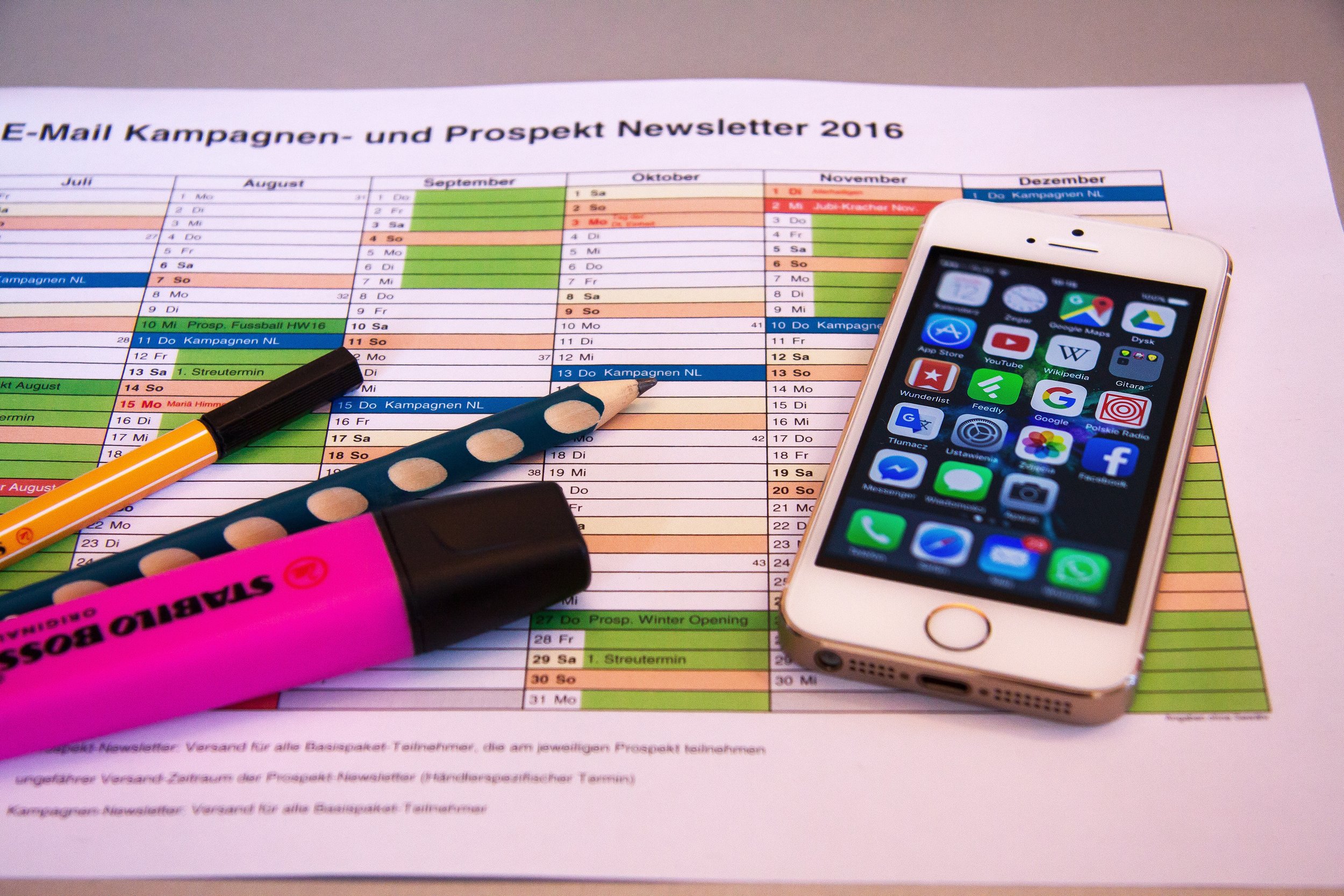
Future intentions are difficult to remember. Luckily, we adapt by using external devices such as smartphones and calendars.
-
Early Emotion Understanding: When do Babies Learn about Emotions?

As human beings, we are particularly adept at discerning the emotions of others. Whether it’s our angry boss, saddened family members, or happy friends, we usually succeed at identifying emotional expressions in other people. These judgments let us adjust our behavior accordingly in complex social situations. It has allowed our species to avoid people who…
-
Highlights of “Building Minds”
For those who missed “Building Minds: Microchips & Molecules”, here is a taste of the action. For all who packed the CNSI auditorium in May for our annual interdisciplinary symposium, here is a quick trip down memory lane. Enjoy! Gimzewski (’15 symposium) UCLA’s James Gimzewski cited Alan Turing in his talk describing his research on…
-
Signal Detection: Decision Making in Uncertainty
We all experience uncertainty: How did I do on that test? What do they think of me? Where did I leave my keys? Is my phone ringing? In these and other uncertain situations, we have to take the evidence we have and make our best guess about the answer. Sometimes we’re right, and sometimes we’re…
-
How to Take Good Notes: Go Low-Tech

More and more students are opting to take notes on laptops to save trees and – they assume – take better notes. But is this assumption correct? According to the findings UCLA’s Dr. Danny Oppenheimer recently published in Psychological Science , these students are wrong: in a study of note-taking comparing handwritten to typed notes, Meuller…
-
How do we see so many colors on a digital screen?

How can we possibly perceive a world of colors from just red, green, and blue, the colors of lights in TV, computer, and phone screens? The answer has to do with the way our visual system is set up: We have three different kinds of cones in the retina which respond most to what we…
-
Snapshot of Symposium 2014: Criminally Minded – the Psychology and Law of Culpability

Here’s a walk down memory lane for those who made it to our 2014 annual interdisciplinary symposium in May, and a taste of it for those who didn’t make it. Enjoy! Symposium 2014 (12) Speaker gifts Programs Symposium 2014 (3) Our guest host Symposium 2014 (6) Symposium 2014 (7) panel discussion Symposium 2014 (9) Symposium…
-
What is color (in vision)?

Roses are red, Violets are blue, And you probably think That the sky is blue too. Color, however, exists only in the mind: Color is our experience that maps onto the physical luminance properties of visible light and visible-light reflectance properties of objects. Psychologists call this color perception, to recognize that color is more a property…