-
When Healthy Eating Becomes Harmful: Understanding Orthorexia in a Health-Obsessed World

What happens when “eating healthy” goes too far? This blog post discusses Orthorexia Nervosa as an emerging pattern where the pursuit of clean eating can become obsessive and harmful. Research suggests it’s tied to factors like perfectionism, body image concerns, and even social media habits—especially platforms like Instagram. As the line between wellness and obsession…
-
The Effect of Childhood Trauma on Brain Structure and Function

This paper examines how childhood trauma affects brain structure and function, with lasting consequences for emotional regulation, memory, and stress response. It argues that adverse childhood experiences can alter key brain regions such as the amygdala, hippocampus, and prefrontal cortex, increasing vulnerability to mental health challenges later in life. At the same time, the paper…
-
Poverty’s Impact on the Developing Brain

In this paper, we discuss how socioeconomic status (SES) influences child development through poverty’s interaction with stress, caregiving, and neighborhood context. We highlight evidence that toxic stress, reduced caregiving quality, and neighborhood disadvantage impair brain development, while policy interventions such as financial assistance can buffer these effects and promote healthier developmental trajectories.
-
Autism Spectrum Disorder: The Role of Cross-Cultural Differences in Diagnosis and Intervention

In this blog post, we explore how cross-cultural differences impact the diagnosis and treatment of Autism Spectrum Disorder (ASD). While early intervention is key, cultural beliefs, stigma, and systemic disparities often delay diagnosis for children from non-white and minoritized communities. By examining global perspectives and research, this post highlights the need for culturally responsive approaches…
-
The Psychology of Climate Change

This article explores the psychological and social challenges in addressing climate change, emphasizing how evolutionary and cognitive biases hinder our responses to this global crisis. It delves into the complexities of human behavior and societal structures that make it difficult to enact effective climate action and considers how these obstacles might be overcome through increased…
-
Brainpower in Full Bloom: The Cognitive Benefits of Rosemary and Lavender Aromatherapy

This article explores how aromatherapy can enhance cognitive functions such as memory, attention, and mental clarity, drawing on both real-world applications and its potential benefits for neurological health.
-
Symphonic Interventions: Investigating the Impact of Music Therapy on Social and Communication Skills in ASD Individuals

In this article, the author discusses the role of music therapy in enhancing social and communication skills among individuals with Autism Spectrum Disorder (ASD). Music therapy provides a comfortable medium for self-expression and emotional regulation, particularly important during adolescence. The author highlights the universal appeal of music and its ability to help individuals with ASD…
-
Furry Prescription: The Healing Powers of Pet Interaction
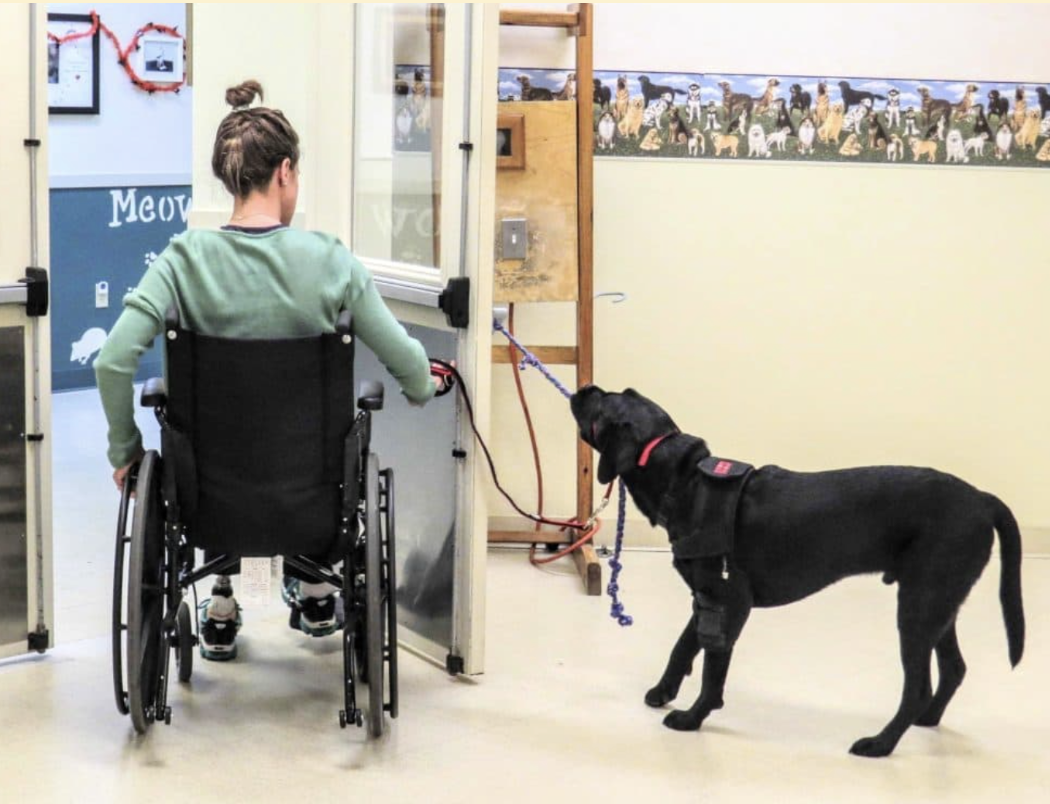
This article discusses the therapeutic benefits of pets on human health, emphasizing their role in enhancing physical activity, improving mood, and providing emotional support. Through personal experience and scientific research, it underscores the transformative impact of pet ownership on individuals’ well-being.
-
Trauma and the Brain: How Childhood Experiences Affect Your Memory
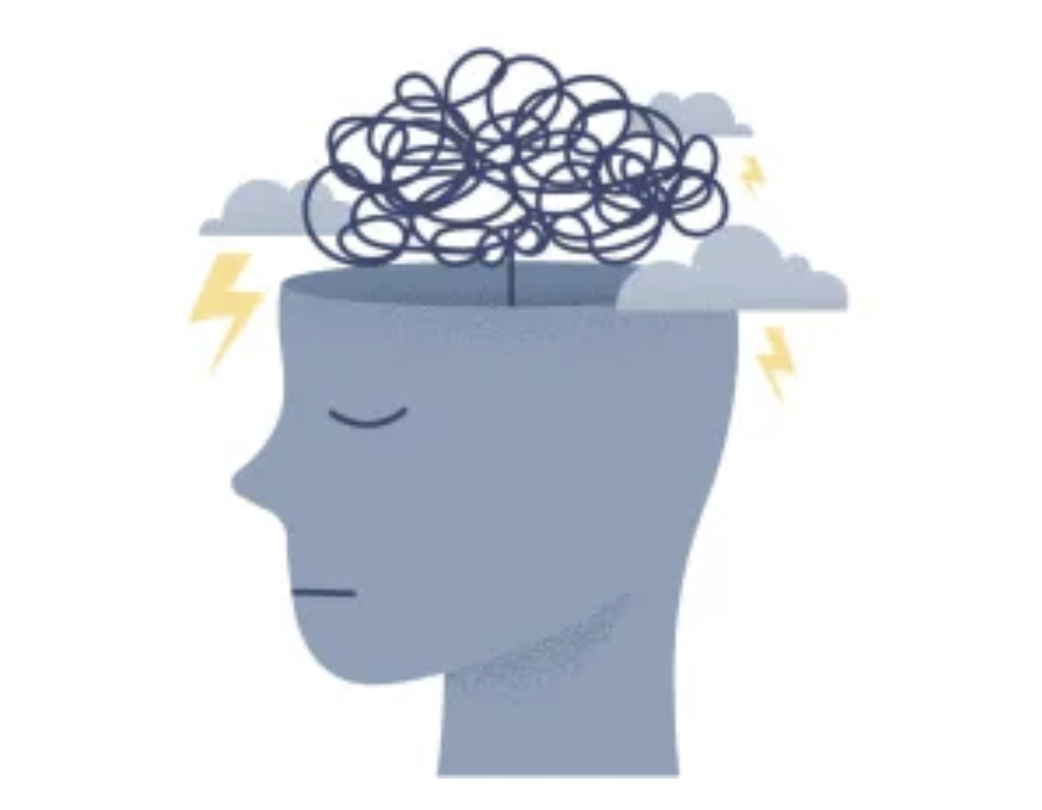
This article delves into the profound impact of traumatic childhood experiences on an individual’s cognition and memory. It discusses how childhood trauma can lead to memory retrieval problems, such as dissociative amnesia, and impairments in working memory, emphasizing the need for effective interventions and therapeutic approaches to assist survivors in improving their mental well-being.
-
The Powerful Role of Forgetting in Learning
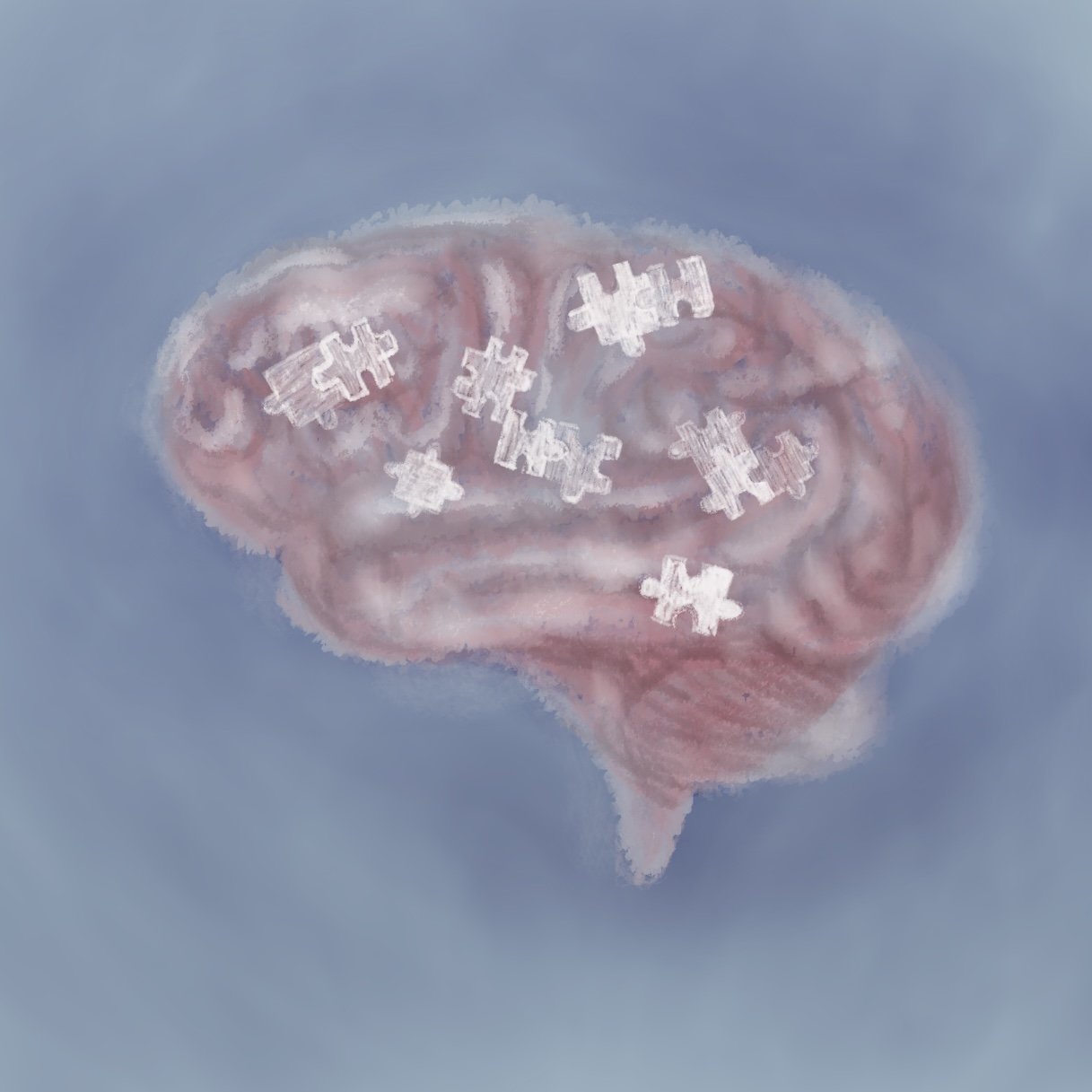
Is forgetting a bad thing? On the contrary, scientific research showed that forgetting is actually beneficial for your memory and learning!