-
Metacognitive Illusions & The Font Size Effect
Have you ever done your assigned reading and thought, “I’ll definitely remember this, it’s in HUGE, BOLD LETTERS” and then failed to recall anything on your quiz the next day? This feeling of disconnect between what we think we know and what we actually know can be explained by the human ability to monitor and…
-
The Psychology of Grocery Lists: Why We Forget the Milk

How limited is our working memory capacity? While often described as fixed, research shows its boundaries depend heavily on the factors present during encoding and retrieval. Under the right conditions, we may be able to surpass what once seemed like hard limits.
-
How our perception of time influences the memory of events
When remembering a moment in life, does it ever feel shorter or longer than what actually occurred? Research shows that our brain’s chemistry might unlock the secret to why this is, and how that influences our memory of the event later on.
-
Just How Close is Close Enough? Trauma-Dumping and Social Disclosure in Our Changing World
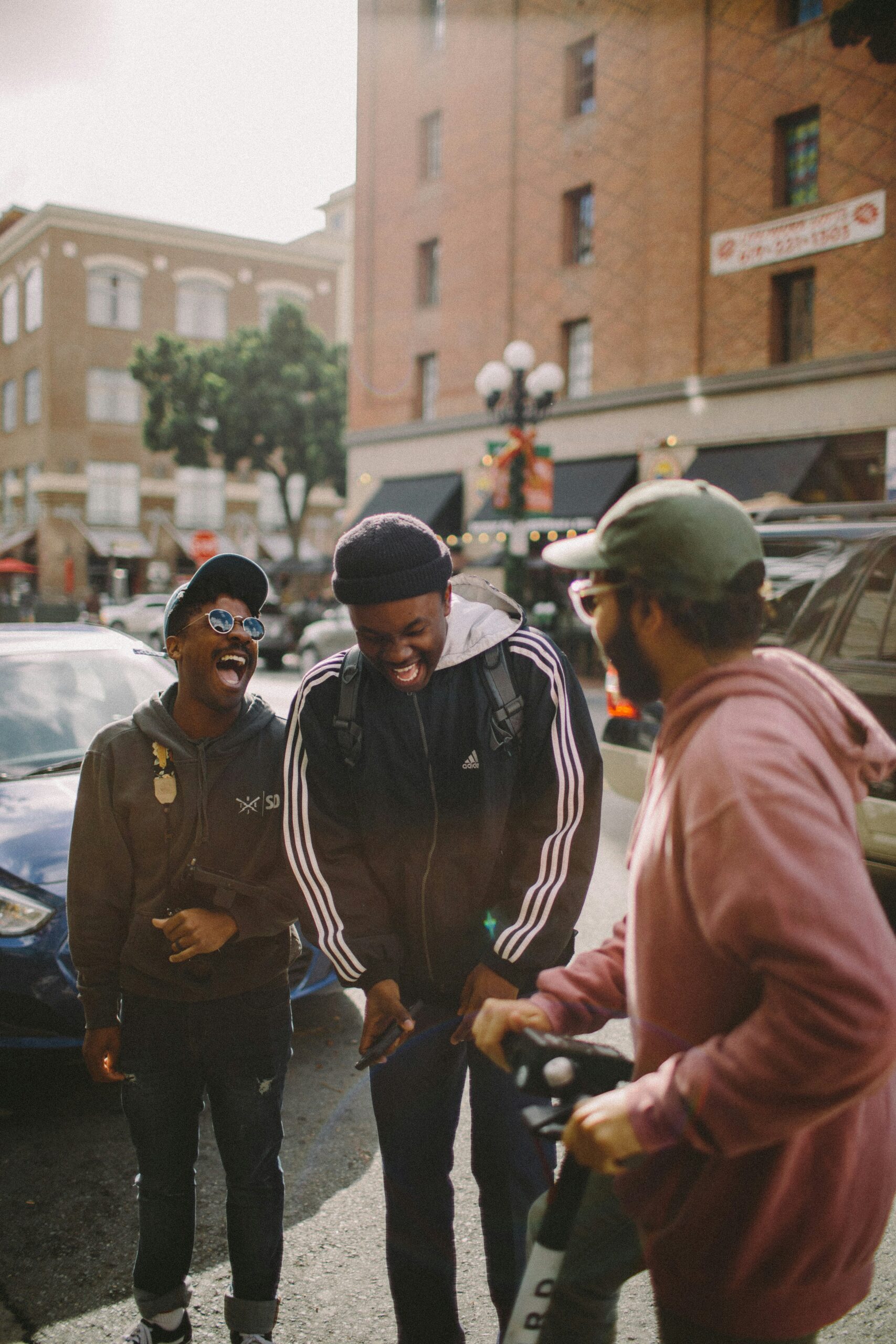
Why do we choose not to tell other people information about ourselves? When is it “trauma-dumping” and when is it being friends?
-
The Psychology of Climate Change

This article explores the psychological and social challenges in addressing climate change, emphasizing how evolutionary and cognitive biases hinder our responses to this global crisis. It delves into the complexities of human behavior and societal structures that make it difficult to enact effective climate action and considers how these obstacles might be overcome through increased…
-
Brainpower in Full Bloom: The Cognitive Benefits of Rosemary and Lavender Aromatherapy

This article explores how aromatherapy can enhance cognitive functions such as memory, attention, and mental clarity, drawing on both real-world applications and its potential benefits for neurological health.
-
Embracing Age: Debunking Myths and Dispelling Fears About Aging

This article discusses and debunks myths and stereotypes about aging. Whether you’re young or old, learn how age-related stereotypes can benefit both yourself and those in your community.
-
Take It Easy: Reap the Benefits of Resting on Purpose
How do we “rest on purpose”? Let’s start with redefining the relationship between rest and work.
-
How Do You Learn Best: The Role of Information Modality in Learning and Memory

Do you learn better by your eye or ear? Research has shown that memory is better for information we learn visually than aurally. Yet, to ensure optimal learning one must consider the use of multisensory integration, or the simultaneous use of both visual and auditory aids.
-
Thinking About Thinking: How Metacognition Can Help Your Grades
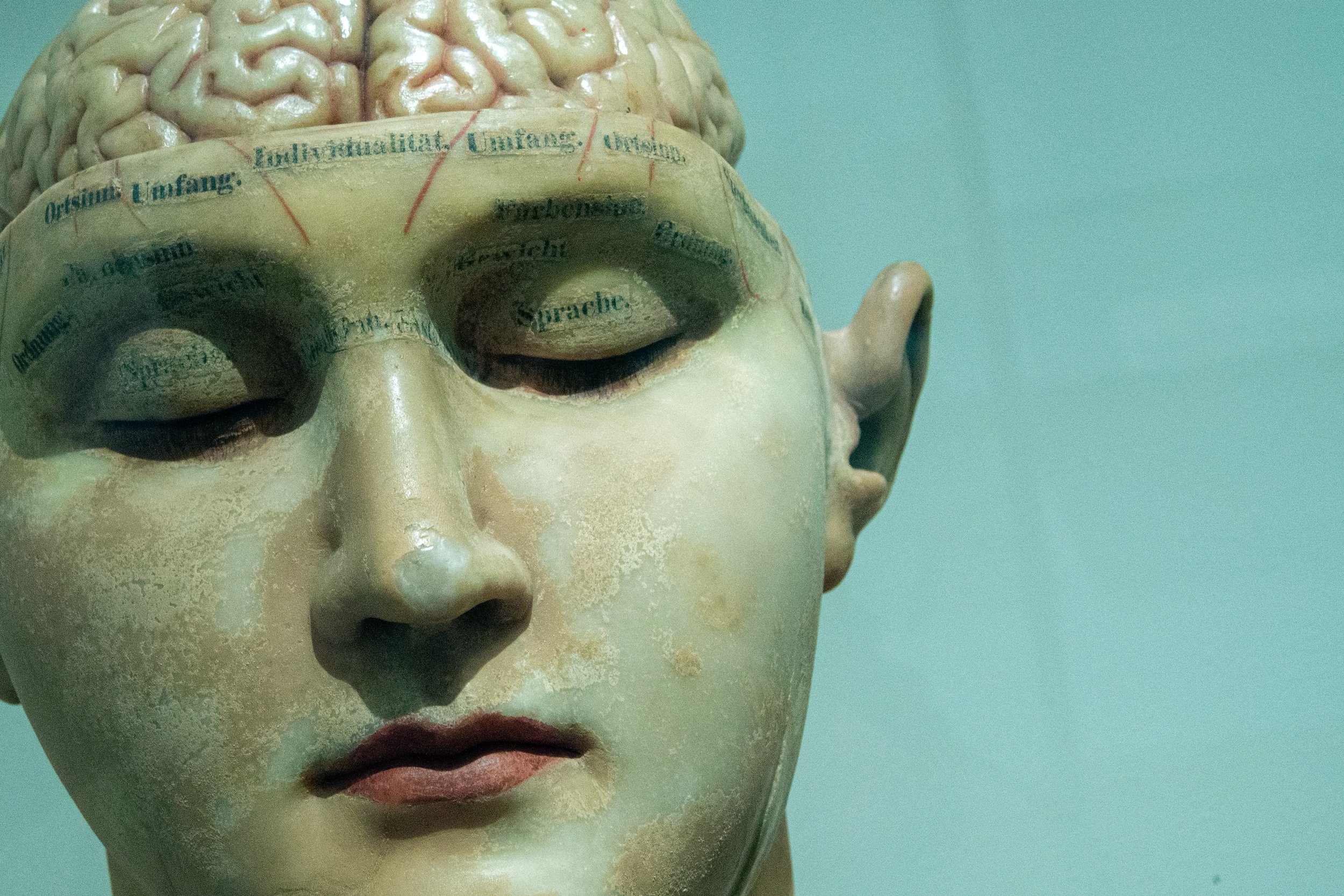
Have you ever tried to predict the grade you would receive on an exam? If so, how did you do it? The answer is through metacognition. We discuss strategies students can employ to improve metacognitive accuracy and subsequent memory performance.