-
Effects of Nature and Birdsong on Cognition, Attention, and Wellbeing

Alex Yeghikian (Author) and Sonya A. Ashikyan (Mentor) Walking around UCLA, you might hear the trill of a Bewick’s wren, the clicks of a California towhee, or the chirping of a dark-eyed junco. With a careful eye, you might even see one perched on a branch or flying swiftly by. We might not pay much…
-
Yoga Nidra: The Crucial Component of a Cognitive Boosting Routine

Non-sleep deep rest (NSDR) and Yoga Nidra are two trendy practices that are typically grouped together because they are both utilized to reduce stress, achieve deep relaxation, and induce sleep. In this blog post, I will outline the empirically demonstrated benefits and future potentials of Yoga Nidra.
-
Hot and Cold Cognition
-
The Role of Mind Wandering in Education

-
Adele and the Margaret Thatcher Effect

Adele’s face is the latest victim of a viral illustration of perceptual illusions. During the past week, an image of Adele’s upside down-face has gone viral on the internet, with instructions that read “turn your phone upside down” or “look at the image upside down.” If you haven’t done the experiment yourself, it looks something…
-
Highlights of “Building Minds”
For those who missed “Building Minds: Microchips & Molecules”, here is a taste of the action. For all who packed the CNSI auditorium in May for our annual interdisciplinary symposium, here is a quick trip down memory lane. Enjoy! Gimzewski (’15 symposium) UCLA’s James Gimzewski cited Alan Turing in his talk describing his research on…
-
“Building Minds: Microchips & Molecules” Symposium – May 18, 2015
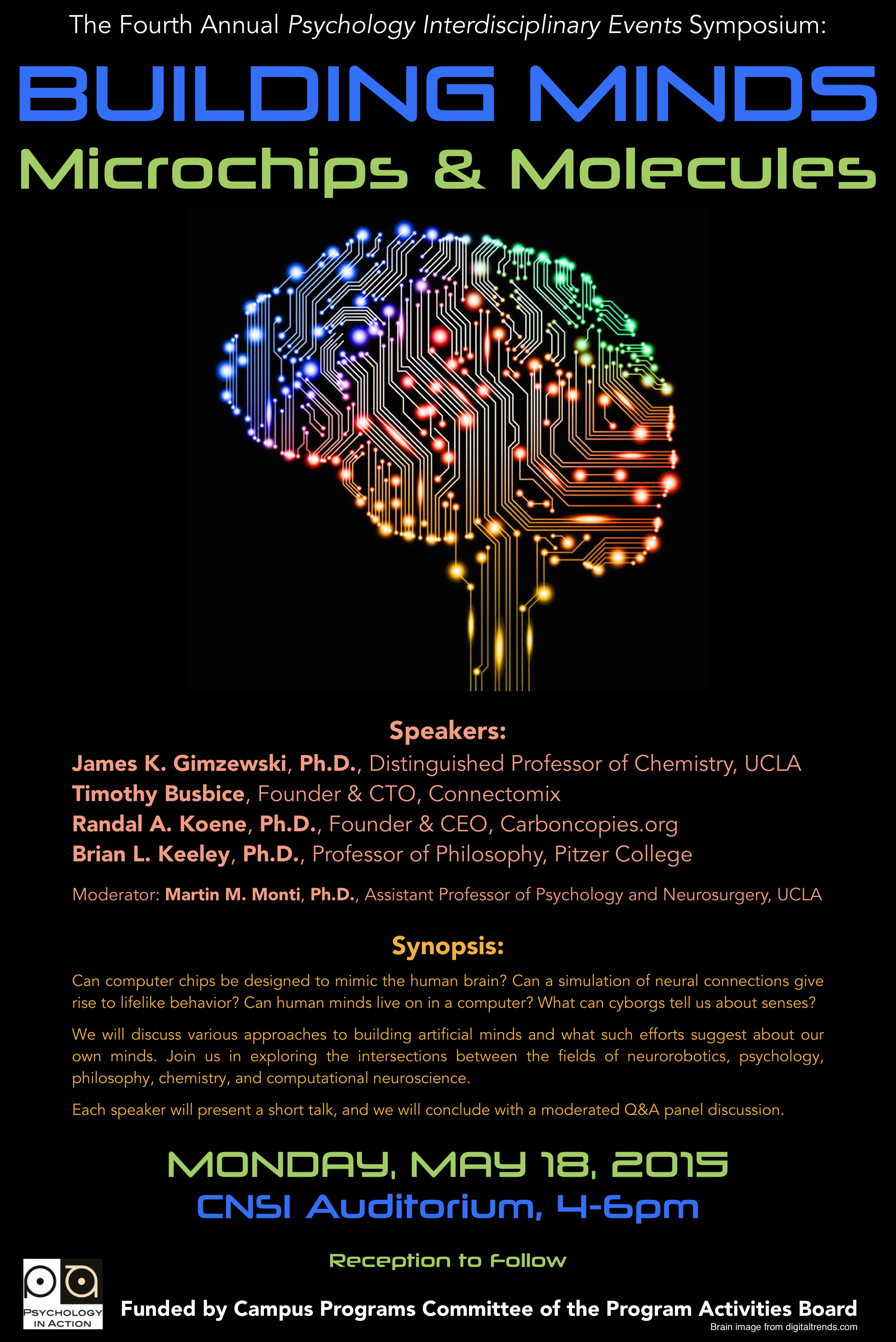
Psychology in Action is proud to announce the fourth annual Psychology Interdisciplinary Events symposium, Monday, May 18th, 2015, from 4 to 6pm in UCLA’s CNSI Auditorium. The discussion will focus on various attempts to create artificial minds and what they tell us about our own minds. The event is completely FREE and open to the general…
-
How do we see so many colors on a digital screen?

-
Multitasking Video Game Improves Cognition in 79-year-olds!
Today, Nature published evidence that training on a multitasking video game improved older adults’ cognitive ability beyond the scope of the game to untrained aspects of cognition. The article featured a four-year research led by Drs. Adam Gazzaley and Joaquin Anguera at UCSF. They utilised a relatively simple video game, NeuroRacer to train older adults on multitasking. NeuroRacer requires participants to drive a cartoon car, and to respond…
-
Former Israeli Prime Minister’s Significant Brain Activity – How Do We Know?
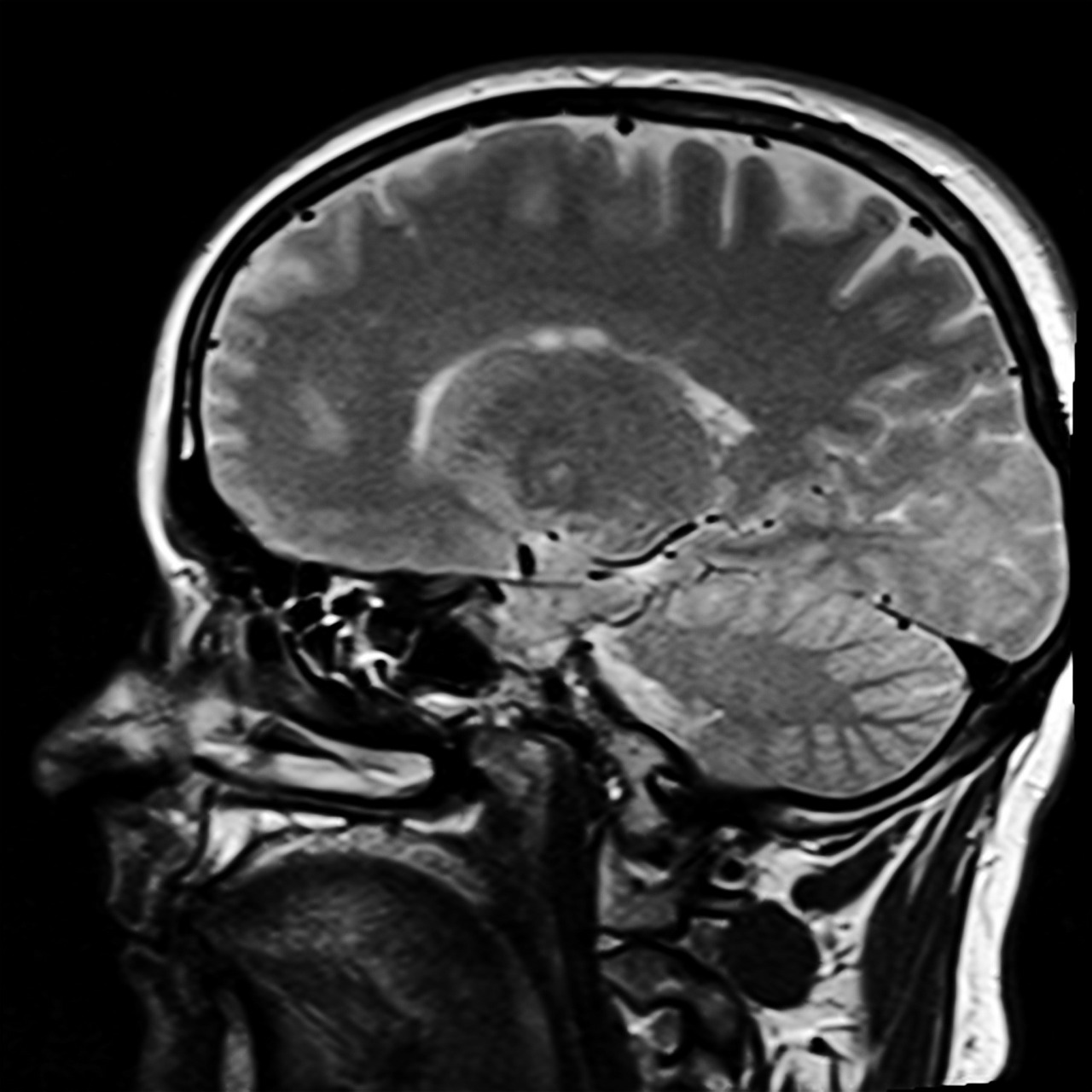
Israeli scientists and UCLA’s Dr. Martin Monti recently found that former Prime Minister Ariel Sharon demonstrates significant brain activity. Seven years ago Sharon suffered two strokes. The second stroke caused him to lose most of his consciousness. Sharon is in a minimally conscious state, a little more aware than a coma or a persistent vegetative…