-
Forgetting More, Remembering Better: Memory as You Age

As we age, memory becomes more selective and value-directed, focusing on information that matters most. The aging brain increasingly prioritizes high-value, goal-relevant information, directing attention and cognitive resources toward what is most important. These changes highlight the adaptive nature of human memory and suggest that aging is not something to fear. Memory remains flexible, continually…
-
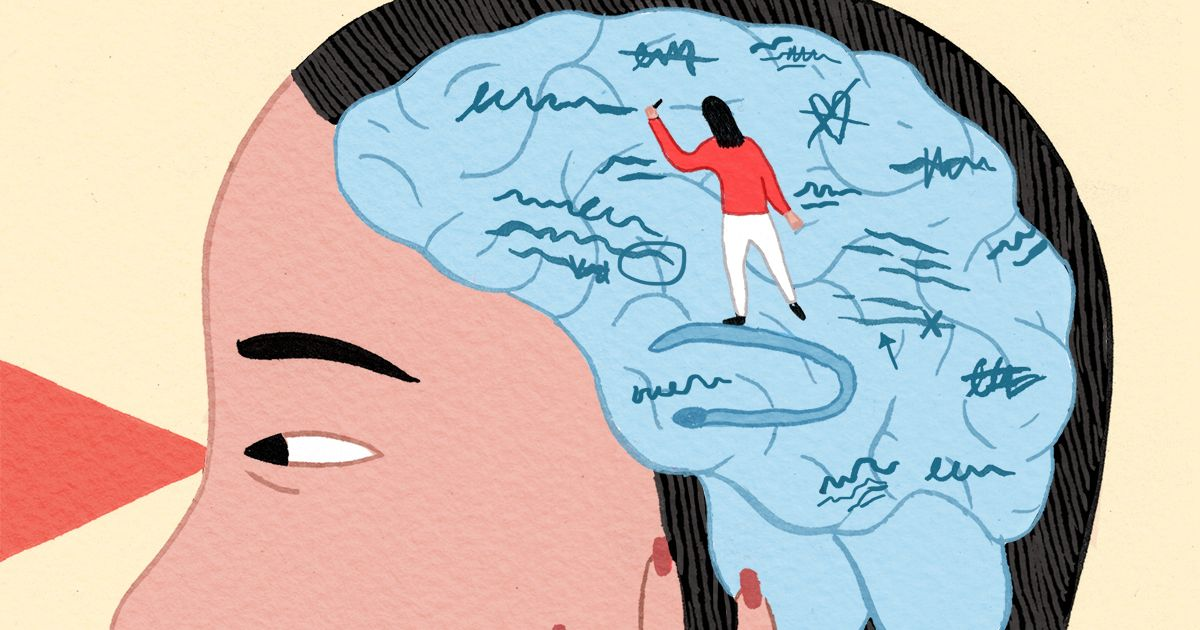
Why Your Brain Refuses to Forget That One Awkward Moment
-
Improving our memory in educational settings
Do you have midterms or final exams coming up? We’ll go through a few different types of studying scenarios together to truly answer the question: How can you optimize your study sessions this semester? Spacing Effect: How often you study matters 1. Studying You have your exam coming up in a couple of days, and…
-
Metacognitive Illusions & The Font Size Effect
Have you ever done your assigned reading and thought, “I’ll definitely remember this, it’s in HUGE, BOLD LETTERS” and then failed to recall anything on your quiz the next day? This feeling of disconnect between what we think we know and what we actually know can be explained by the human ability to monitor and…
-
The Psychology of Grocery Lists: Why We Forget the Milk

-
How our perception of time influences the memory of events

-
Trauma and the Brain: How Childhood Experiences Affect Your Memory
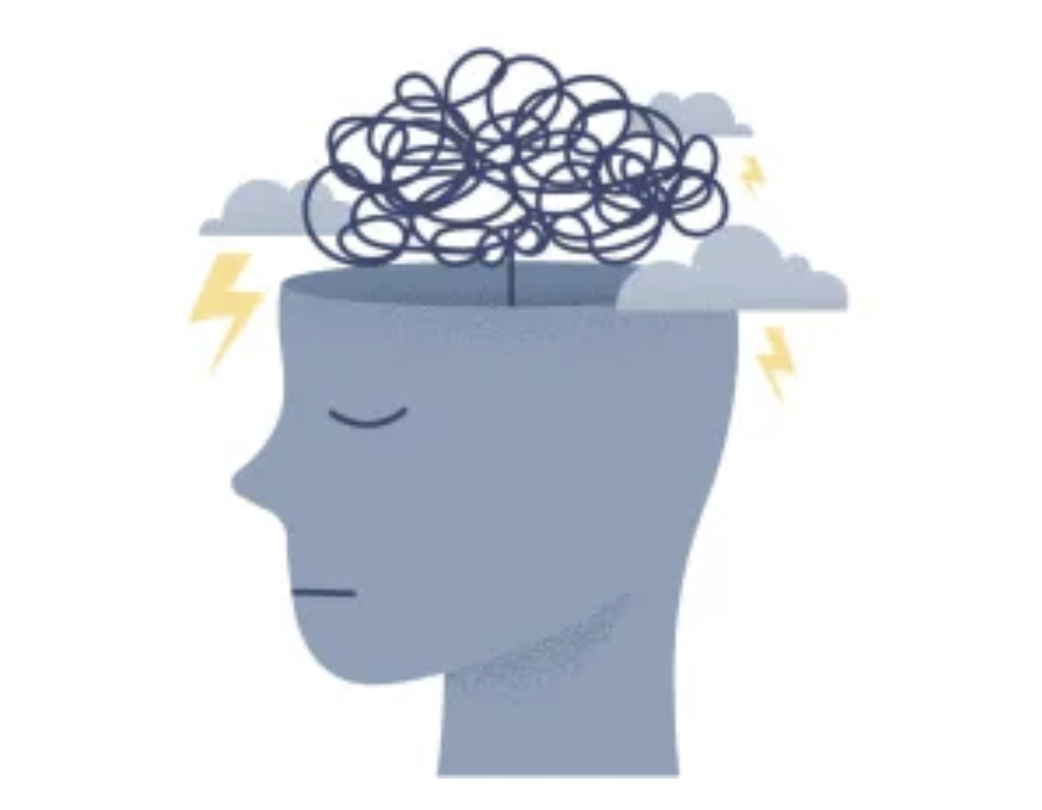
This article delves into the profound impact of traumatic childhood experiences on an individual’s cognition and memory. It discusses how childhood trauma can lead to memory retrieval problems, such as dissociative amnesia, and impairments in working memory, emphasizing the need for effective interventions and therapeutic approaches to assist survivors in improving their mental well-being.
-
Lying Can Reconstruct Memory: How We Come to Believe Our Own Lies

The article discusses how lying can lead to the subconscious reconstruction of memories, causing individuals to believe their own falsehoods and blur the line between truth and deception. It explores factors like fabrication inflation, the anchoring effect, and motivated forgetting, highlighting the malleability of memory and the potential consequences of false memories resulting from deceptive…
-
Looking Down the Memory Barrel: Does the Weapon Focus Effect Impact our Legal System?

-
What Makes Information More Memorable: The Influence of Emotionality on Memory and Metacognition