-
New research: From Screen to Green: What happens to kids social skills when they go cold turkey on all media?
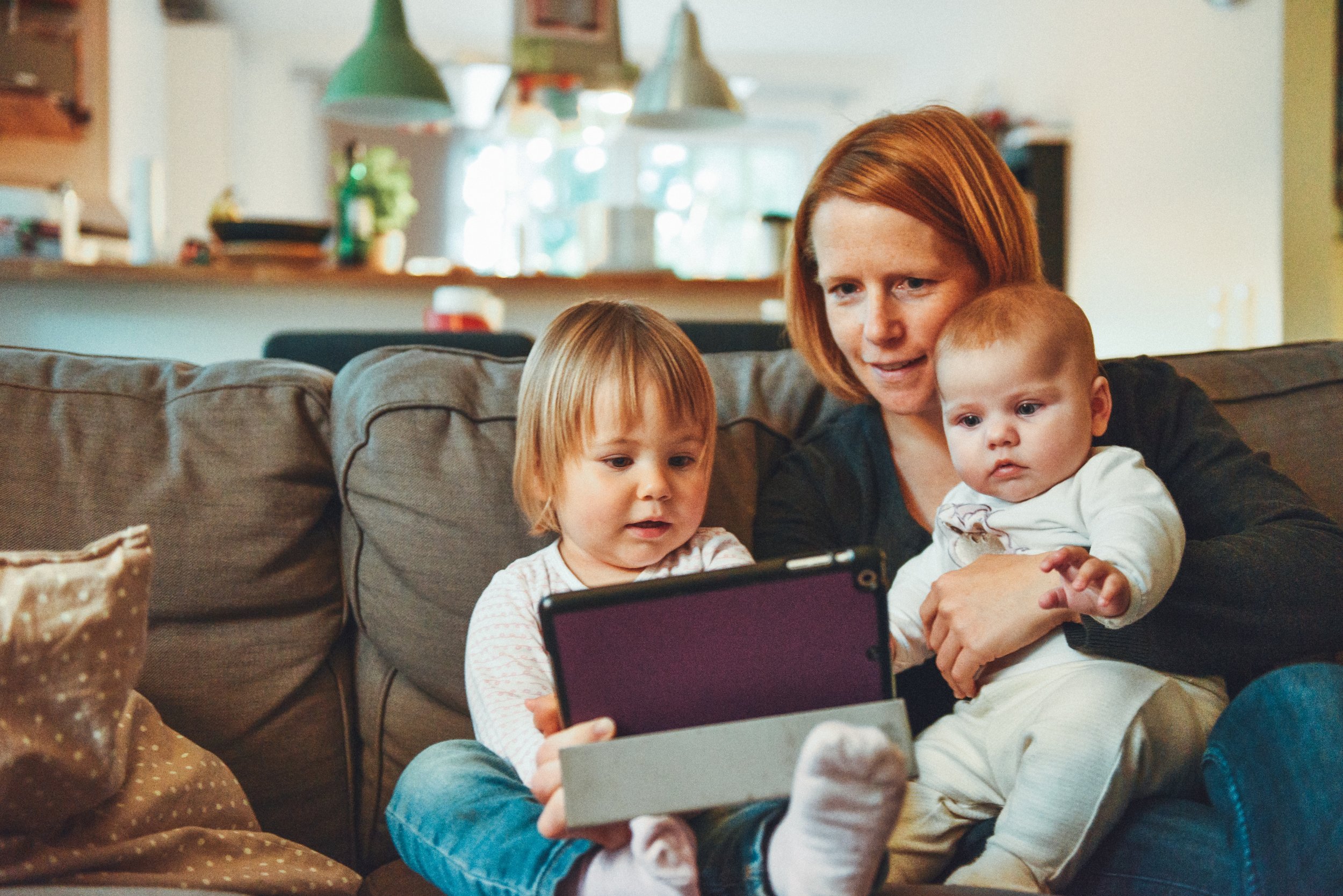
The fact is we all stare at screens more than we would like and many of us rely on these tools to communicate with others, even during times when we should be spending quality time with our families and friends. So does all this time staring at screens, which may take time away from looking…
-
New Research: Learning from Paper versus Learning from Screens
When I speak to parents, I often hear that they are scared that this generation of students is losing out, because they are learning so much more on screens. These fears are echoed in the press. For example, the Washington Post wrote about how reading is taking a hit from online scanning and skimming. In…
-
Angela Duckworth and Long Term Goals

Here are a few of the mechanisms that help people be motivated
-
The Values in Sponge Bob Square Pants.
“Who lives in a pineapple under the sea?” Most people easily pick up on the importance of television programming like Sesame Street and other educational shows for young children. Shows like these embed lessons about letters, manners, multiculturalism and more into their content. For adults, the lessons seem obvious, so we feel good about allowing…
-
The Value of Fame – Kids and media
First published on HuffPost “This is America, where everyone has the right to life, love and the pursuit of fame.” — Ryan Seacrest, American Idol, 2010 In the new millennium, people face messages highlighting the significance of fame everywhere they look. Not only in reality television shows such as “Keeping up with the Kardashians” and…
-
Technology and learning – Why teaching self-regulation is critical
“They agreed that computers had, so far, made surprisingly little impact on schools – far less than in other realms of society such as media and medicine and law. For that to change, Gates said, computers and mobile devices would have to focus on delivering more personalized lessons and providing motivational feedback.” Conversation between Bill…
-
How Self-Regulation Works
Self-regulation is an extremely important skill to develop. In fact, as I am writing this post, with no outside person or institution forcing me to do, on a vacation day when it is sunny outside, I am demonstrating formidable self-regulation. I believe that teaching children, and adults, how to self-regulate is one of the best…
-
Media 24/7 Starting in the Womb
Common Sense Media released a study today about media use of children from 0 to 8 years of age. The research is an extension of research originally conducted by Kaiser; the study appears to be quite thorough (for example, this study also contacted people who don’t have landlines and only use cell phones). The last…
-
How Food Companies Market to Children Online
Keeping children eating healthy foods is one of the most important things one can do as a parent. And one of the most difficult. It’s probably no surprise that most food companies market directly to children, spending $1.6 billion a year to do so. In fact, in 2006 the Institute of Medicine concluded that food…