-
Fake News! A Cognitive Perspective on the Spread of Misinformation Among Older Adults

Social media has increased the spread of news–some truthful, and others less so–in recent years. Is this information consumed differently across different age groups? And how does its persuasiveness change across the lifespan?
-
Older Adults Show Resilience During the COVID-19 Pandemic

COVID-19 has changed our lives in many ways. Given the increased risk from COVID-19 in older populations, are older adults more affected by the changes and stresses of the pandemic?
-
The Benefits of Maintaining a Curious Mind in Older Age

Some measures of curiosity decline as we age, but maintained curiosity in older age is associated with better memory and well-being. This article discusses the benefits of staying curious as we get older.
-
Use of Technology in Dementia Care: Benefits and Ethical Considerations

A crisis has emerged in dementia care due to caregiver burden, high costs of care, and a growing aging population. Intelligent Assistive Technologies could be the answer to some of these problems, but they carry a unique set of ethical issues. How can we address these issues and use technology to improve dementia care?
-
A Lifetime of Knowledge Can Benefit Memory in Old Age
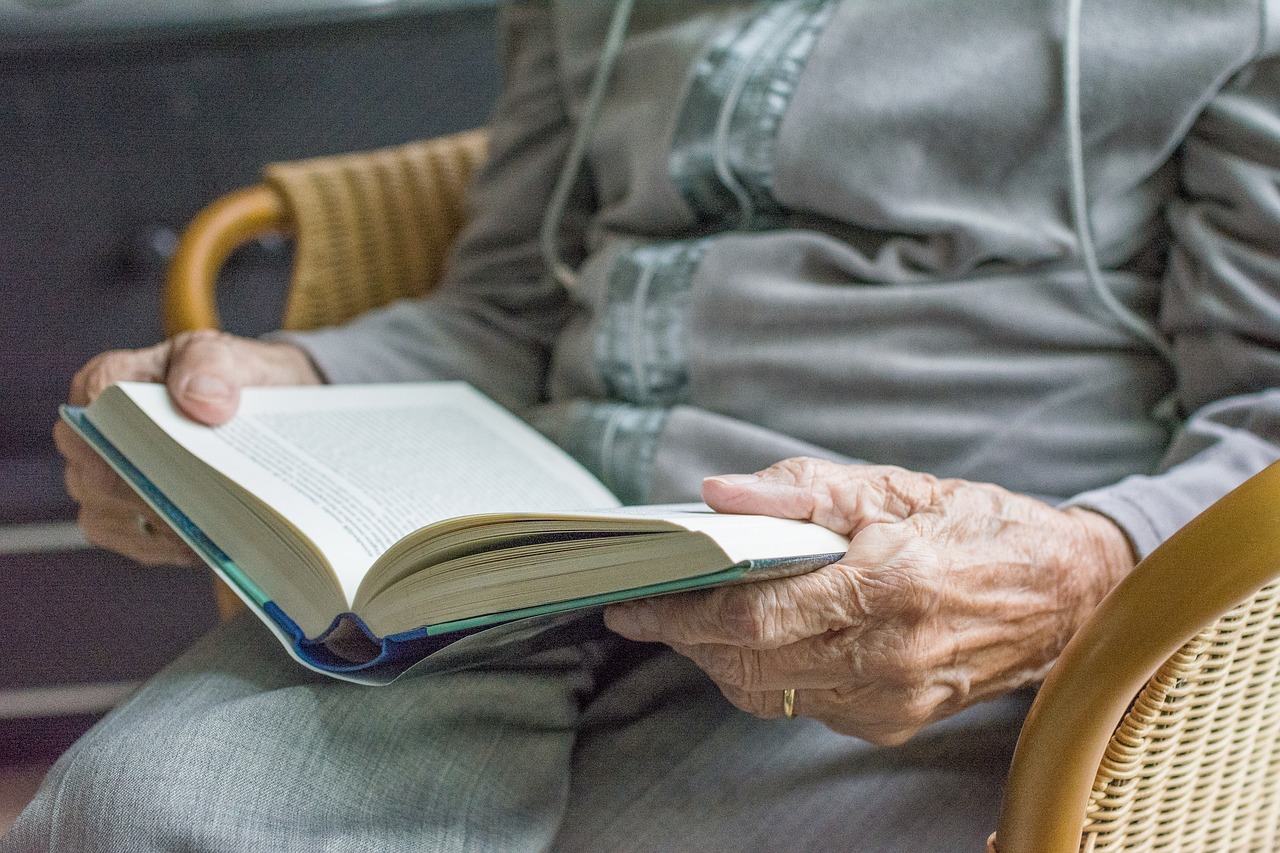
Overall, memory declines as we age, but prior knowledge may be able to benefit memory in old age.