-
How to Take Good Notes: Go Low-Tech

More and more students are opting to take notes on laptops to save trees and – they assume – take better notes. But is this assumption correct? According to the findings UCLA’s Dr. Danny Oppenheimer recently published in Psychological Science , these students are wrong: in a study of note-taking comparing handwritten to typed notes, Meuller…
-
Memory in the Mountains: How Cognitive Psychology Can Improve Rock Climbing

“You can never climb the same mountain twice, not even in memory. Memory rebuilds the mountain, changes the weather, retells the jokes, remakes all the moves.” – Lito Tejada-Flores, Extreme Skiier, Climber and Author As Lito Tejada-Flores alludes, rock climbing and mountaineering depend as much on human memory as the physical environment in which…
-
What is color (in vision)?

Roses are red, Violets are blue, And you probably think That the sky is blue too. Color, however, exists only in the mind: Color is our experience that maps onto the physical luminance properties of visible light and visible-light reflectance properties of objects. Psychologists call this color perception, to recognize that color is more a property…
-
There is a green% chance you will read this post.
Recently The Onion posted this tongue-in-cheek article regarding synesthesia. For those of you who may not know, synesthesia is a neurological phenomenon in which people experience cross-sensory perceptions. Fellow PIA blogger Emma Geller has written a fabulous primer to the world of synesthesia, located here, but the quick-and-dirty version is that synesthetes have associations between senses…
-
Graduate Program Interviews: Cognitive Psychology

So you applied to PhD programs in Psychology in the fall, with some kind of interest or focus in cognitive psychology – memory, attention, perception, thinking, learning, cognitive neuroscience, computational modeling of cognition, etc. Now interviews are coming up. Want to get the inside scoop on the interviewing/decision process? What questions to ask, what to…
-
Outreach Event: Brain Booths!
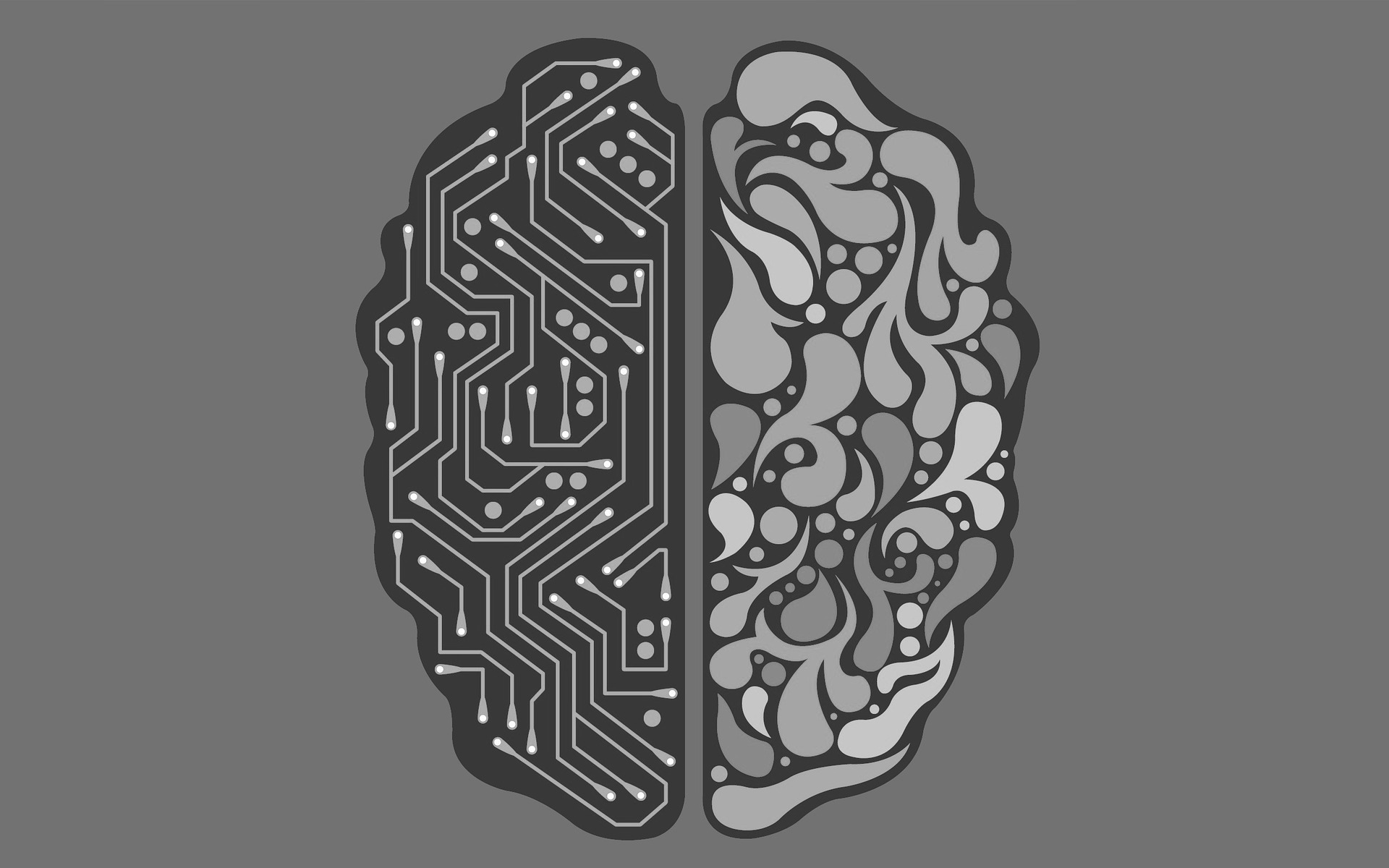
Psychology in Action’s Outreach Initiative teamed up with Interaxon, an interdepartmental undergraduate neuroscience educational outreach group at UCLA, to participate in two events with the Los Angeles community. To learn about future Interaxon events, please visit their web calendar. On Saturday, October 19th, 2013, Psychology in Action and Interaxon members hosted a “Brain Booth” at STEAM Nation in Culver…
-
Infants Learn to Walk by Learning to Fall
When a baby starts to fall, our natural instincts tell us to protect them and quickly catch them. In general, parents’ instincts are to catch their children before they “fall” in many aspects in life. But, as with many things that require you to fail before you can succeed, infants need to learn to fall…