-
Neurofeedback: Can You Train Your Brain?
Have you ever wanted to train your brain? Neurofeedback has been claimed to aid in the treatment of several disorders and cognitive patterns such ADHD, depression, epilepsy, and others–particularly conditions resistant to treatment.
-
Learning Under Pressure: How Stress Alters Memory

The past year has been a uniquely stressful time for all of us. How does stress impact our ability to learn and form new memories?
-
How do Neuroscientists See Brain Activity?
How to find a penny in a dark room? Make the penny light up by itself.
-
Michael Schumacher: An “Awakening”

In 2013, a roaring career came all to a stop after a tragic accident during a Christmas ski trip in the Alps. A famous formula 1 driver in a coma, so why are we hearing now that he is conscious?
-
5 Things You Should Know About Neurodiversity
The term neurodiversity refers to a growing movement that views differences in people’s neurology as providing them with valuable diversity and skills opposed to viewing their neurological differences as a disease or disorder that requires treatment. In this article, we list 5 things you should know about neurodiversity.
-
Understanding the Architecture of the Brain: An Introduction to DTI
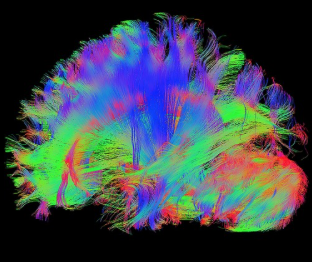
There are many methods for studying the brain, from literally slicing it to look at it under a microscope to injecting radioactive tracers into it to see where a particular neurotransmitter is located. Diffusion tensor imaging (DTI) is a relatively newer approach to studying the brain, but what is this method, exactly?
-
NASA on the brain! Why Space Exploration Needs Neuroscience
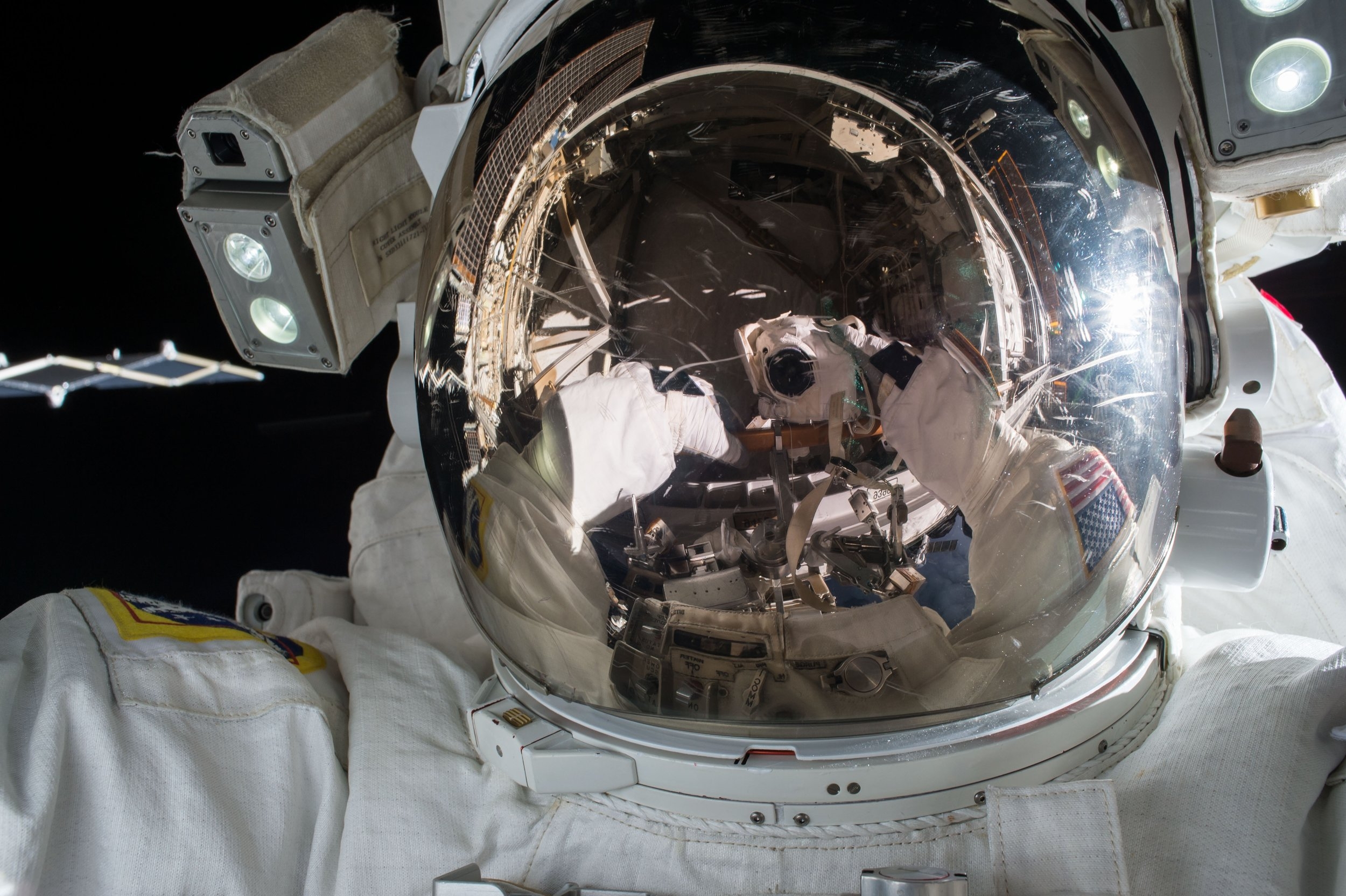
Radiation and microgravity can seriously mess with an astronaut’s brain and behavior— see why NASA is focusing on psychology & neuroscience research to advance the journey to Mars.
-
Where is my mind? A brief review of neuroscientists’ search for biological substrates of memory
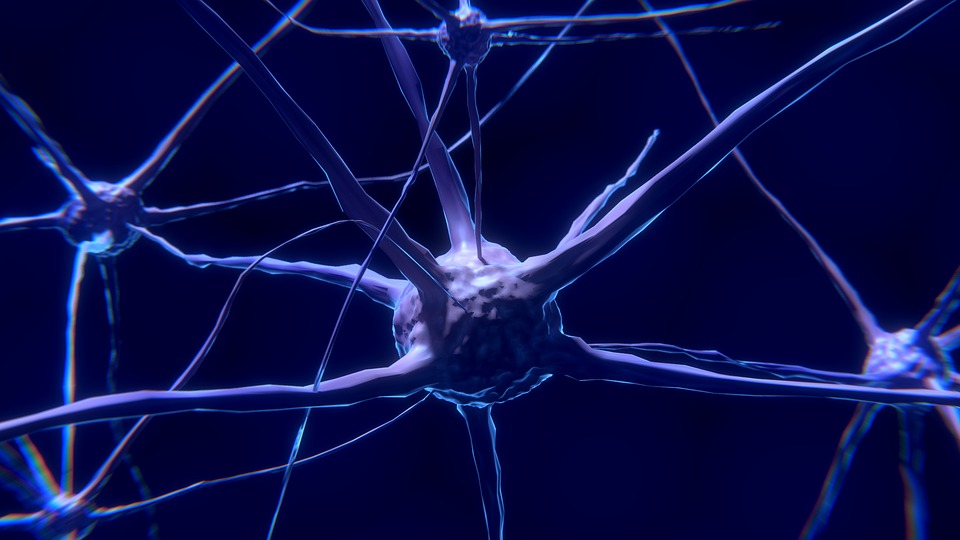
Neuroscientists have sought to understand the biological nature of memory for decades. In this brief review, I talk about the history of memory research and where the field is now.
-
Lucy in the Sky: What we know from LSD research
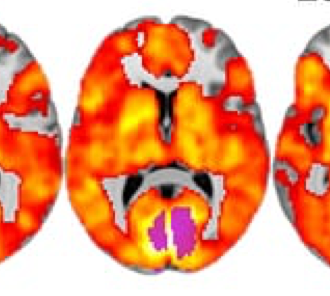
This article was authored by Eric Barajas and Stacy Shaw as part of the 2018 pre-graduate spotlight week. Rampant TV public service announcements throughout the 1970s, 80s, and 90s warned the public of the harmful consequences of drug use. These commercials often showed the frying of an egg or had an actor portray…
-
Teenage Brains and High-Stakes Situations

This article was authored by Pragya Arya and Danny Rahal as part of the 2018 pre-graduate spotlight week. Teenagers are notorious for being irresponsible and making bad decisions. Almost all of us have witnessed or bore the brunt of parents nagging kids to take “important” situations more seriously and work harder. TV producers and novelists…