-
Embracing Age: Debunking Myths and Dispelling Fears About Aging

This article discusses and debunks myths and stereotypes about aging. Whether you’re young or old, learn how age-related stereotypes can benefit both yourself and those in your community.
-
The Possible Link Between Mental Imagery and Intelligence
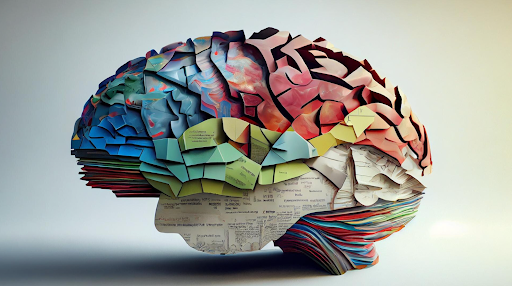
Here, we discuss how mental imagery might affect intelligence.
-
The Mind as an Origami Model: A Tale of Ambiguity and Emergence

What does an analogy between origami and the mind tell us about the current state of cognitive science?
-
Take It Easy: Reap the Benefits of Resting on Purpose
How do we “rest on purpose”? Let’s start with redefining the relationship between rest and work.
-
So, you think you know about psychology? Who do you really know about?

Psychology has taught us a lot about human thoughts and behavior. But which humans do we know the most about?
-
Obedience, Power, and Violence

Is an ordinary person capable of committing heinous acts? After the Holocaust (1941-45), many questioned how Nazi soldiers were capable of such senseless murder. Did it take a certain type of person, or did there exist situational factors that enabled their behavior? This historical moment inspired a series of influential psychological studies. Milgram’s Electric Shock…
-
Do I Need to Know Statistics as a Psychologist?

Psychologists work with very interesting and complicated data. It is important that we are motivated to understand how to make sense of such information.
-
A Student-to-Student Guide on Navigating Graduate School Applications: PhD

Graduate school is a big commitment that is heavily contingent upon our own drive and self-direction. As a student who recently applied to graduate programs, I distinctly remember how arcane the whole process felt at the beginning. Where do you start? Who do you ask for letters of recommendation? How many do you need? Are…
-
@B.F.SkinnyMan: Why B.F. Skinner Would Love Food Snapchats and Instagram Fitness Culture

Our brains haven’t evolved to reward us for eating healthy foods or exercising. Can we engineer our own positive feedback loops to promote these behaviors using social media?
-
Psychological Science Is Not Broken — It’s Maturing
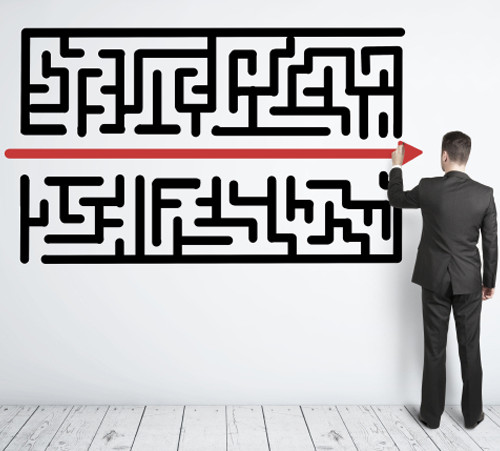
At approximately 150 years of age, psychological science is an infant among elders. For someone like myself, this is precisely what makes psychological science so invigorating. We stand on the shoulders of giants in scientific history, but we are also in unchartered waters.