-
“Are You There, god? It’s Me, Margaret”: Let’s talk about puberty!
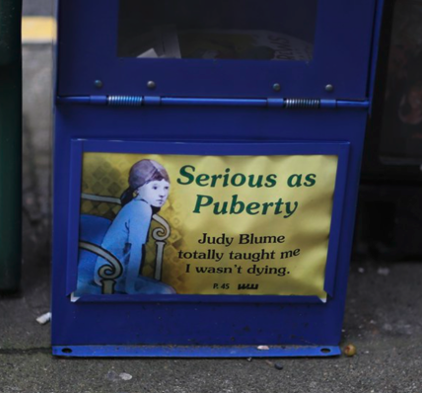
In third grade, my mom handed me a frail copy of Are You There god? It’s Me, Margaret (AYTGIMM), by Judy Blume. The pages were discolored, the binding hanging on by a thread (literally). The state of the book mirrored my feelings after having “the puberty talk” at school, split by males and females, cramped in…
-
It’s Okay to Fail: How Productive Failure Facilitates STEM Learning and Transfer in Comparison to Direct Instruction
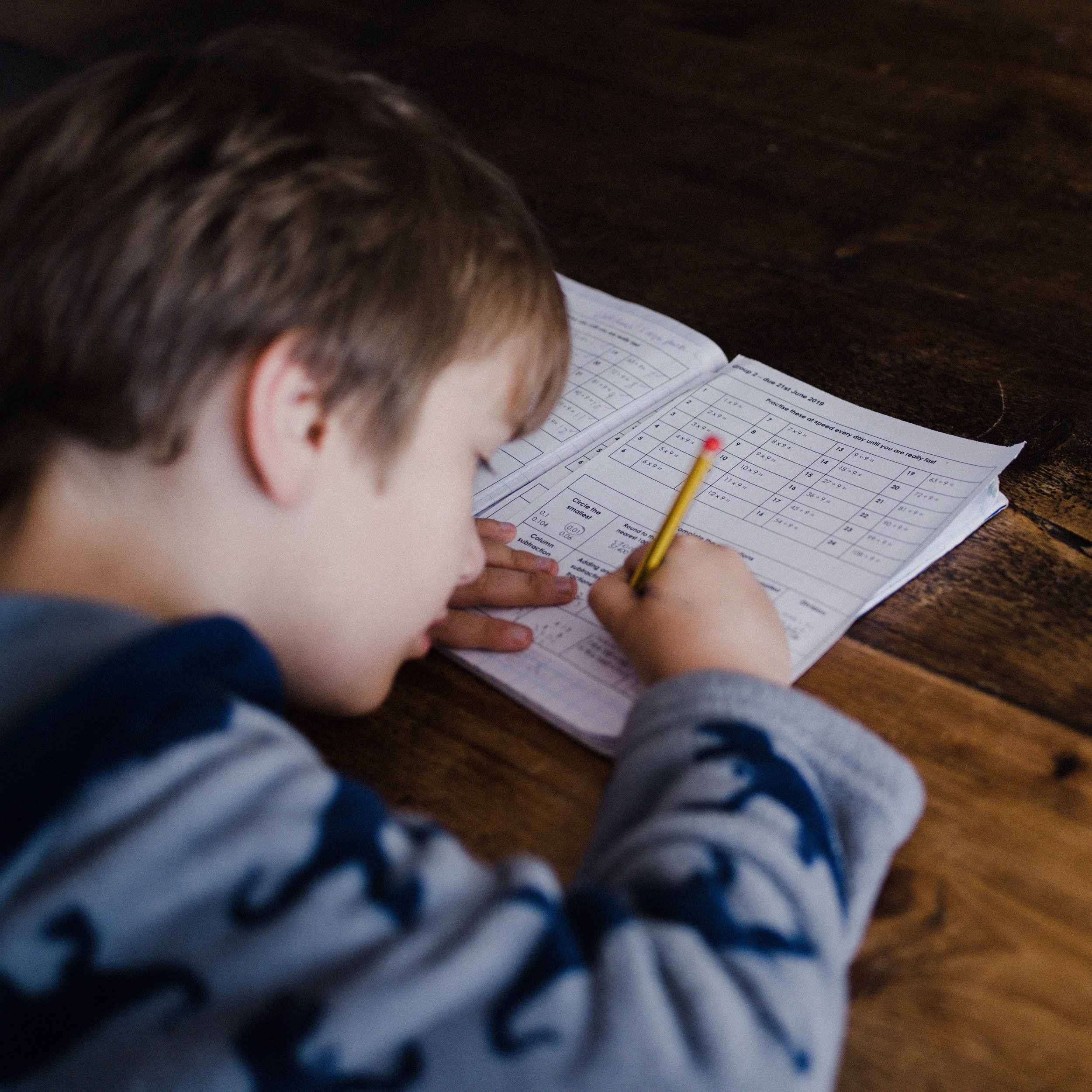
What role does failure play in learning? While students tend to be aversive to failure, it plays a natural and important role in the learning process.
-
How Do You Learn Best: The Role of Information Modality in Learning and Memory

Do you learn better by your eye or ear? Research has shown that memory is better for information we learn visually than aurally. Yet, to ensure optimal learning one must consider the use of multisensory integration, or the simultaneous use of both visual and auditory aids.
-
The Powerful Role of Forgetting in Learning
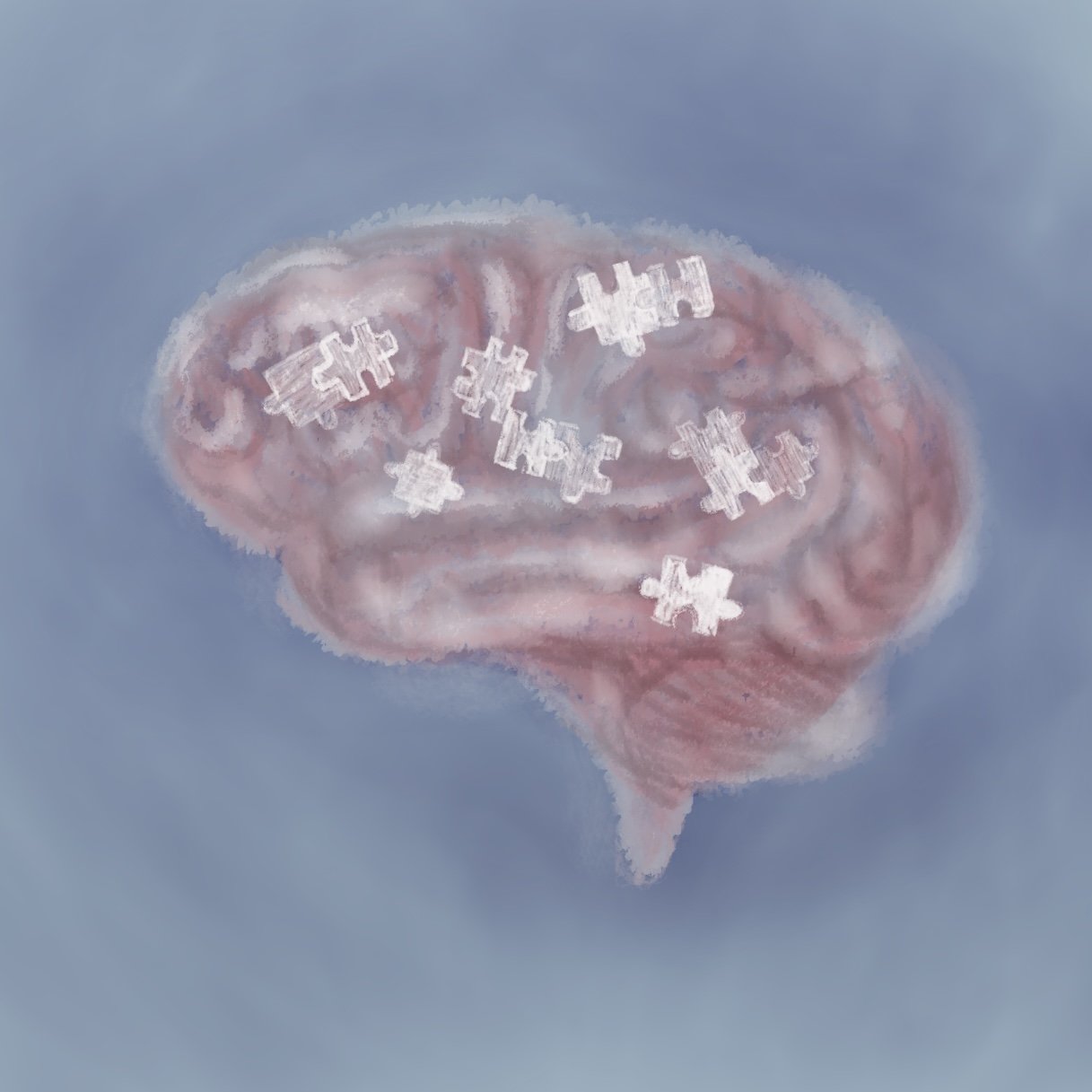
Is forgetting a bad thing? On the contrary, scientific research showed that forgetting is actually beneficial for your memory and learning!
-
Individual vs. Collaborative Exams: The Effect of Collaboration on Learning

Given the choice, students likely prefer to take collaborative rather than individual exams but have you ever wondered how collaborative tests affect your education?
-
Making meaningful connections to improve learning
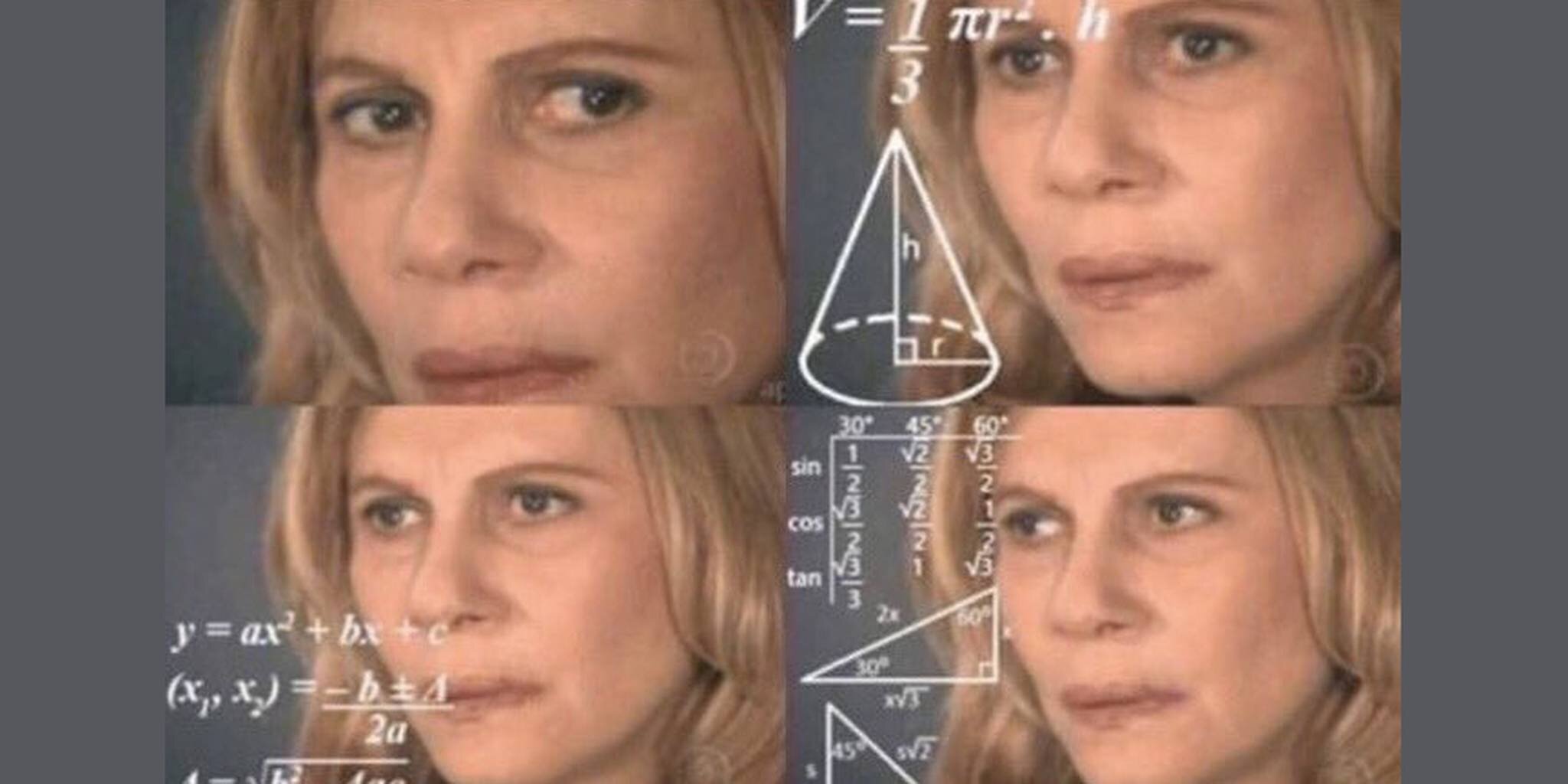
Confession: I barely passed Multivariable Calculus in college. This came as an unpleasant surprise to me, as I had done well in high school math classes. How could this have happened?
-
Tackling the Test: A Guide to Dealing with Test Anxiety

Test Anxiety: What causes it and How to cope with it
-
Do I Need to Know Statistics as a Psychologist?

Psychologists work with very interesting and complicated data. It is important that we are motivated to understand how to make sense of such information.
-
A Student-to-Student Guide on Navigating Graduate School Applications: PhD

Graduate school is a big commitment that is heavily contingent upon our own drive and self-direction. As a student who recently applied to graduate programs, I distinctly remember how arcane the whole process felt at the beginning. Where do you start? Who do you ask for letters of recommendation? How many do you need? Are…
-
Non-traditional college students: A new tradition

Thinking about getting an education, but not sure how to make it work with current life obligations or different hurdles you have had to encounter? Higher education is for everyone, and here’s some resources to help you get what you need.